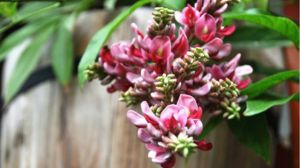
Grow Daphne this way for fragrant blooms in early spring
Daphne (Daphne odora) is an evergreen shrub in the genus Daphne of the family Thymelaeaceae. It is widely distributed in the mountainous areas of southern China and is also commonly grown at home as a potted ornamental. Its plant form is rounded and compact, and its leathery leaves are glossy. It blooms every year in early spring, with small flowers clustered at the tips of the branches, mostly pale purple or purplish red on the outside, with a rich, long-lasting fragrance, which is why people also call it sleeping fragrance or romance tree.
Among the common cultivated varieties, Daphne odora 'Aureomarginata' is the most famous, with golden margins on the leaves and both flowers and foliage attractive, making it the mainstream type for home potting; there are also white daphne, rose daphne and others, with slight differences in flower color and leaf shape. Daphne roots have a folk tradition of medicinal use, but home cultivation is mainly for enjoying the flowers and fragrance, and care should be taken to avoid accidental ingestion.
In terms of care, daphne prefers a semi-shaded environment and fears scorching sun, so shading is needed in summer, while in spring and autumn it can receive more scattered light. The soil should be loose, fertile and well drained, and watering should follow the principle of watering when dry and letting it dry between waterings; once water accumulates in the pot, root rot and leaf drop are likely. It is not cold hardy, so in winter it must be moved indoors to keep warm while maintaining ventilation. Fertilization should be light and infrequent, with phosphorus and potassium fertilizer added before the flowering period, and fertilization should stop during flowering and the high-temperature dormant period.
In daily care, leaf drop and root rot are the most common problems, mostly caused by overwatering, poor ventilation or sun exposure. Once noticed, water should be controlled promptly and the plant's position adjusted. Repotting is best done after flowering, and the roots should be disturbed as little as possible during the operation; after the plant settles in, new leaves will sprout normally, and flowering will be even more abundant the following year.