What is the official name of the flower commonly known as qilixiang?
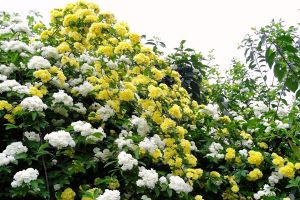
Other names for qilixiang
Stone chili, jiuqiuxiang, jiushuxiang, jiulixiang, qianlixiang, wanlixiang, guoshanxiang, golden osmanthus, shanhuangpi, qianzhiyan, yueju, and more.
Growing habits of qilixiang
Qilixiang likes warmth, and the most suitable temperature for its growth is20~32°C. It is not cold-tolerant. In winter, when the minimum temperature drops to about5°C, move it into a low-temperature (5~10°C) indoor space to overwinter; doing this too early is not good for hardening its cold tolerance. If the room temperature is too low, it easily drops leaves, affecting growth the following year; below0°C it may freeze to death. If the room temperature is too high, the plant cannot go into proper dormancy and may even sprout indoors; when it is taken outside and hit by cold wind, the buds retract, and when it sprouts again, growth for that year is affected.
Qilixiang is a sun-loving tree species. It should be placed in a spot with abundant sunlight and good air circulation (at least five or six hours of direct light per day) to have lush foliage, abundant flowers and a strong fragrance. When in bloom, it can be moved to a windowsill, filling the room with fragrance. After the flowers fade, it still needs to be kept in a sunny place; in semi-shade it grows less vigorously than in a sunny spot, and the flower scent is weaker. If it is too shaded, the branches become thin and soft, the leaf color pale, and there are few or no flowers. When brought indoors in winter, it should also be placed in a sunny spot.
The flower language of qilixiang
Qilixiang's flowers are small but abundant, white and extremely fragrant. Whenever the flowering season arrives, the fragrance drifts all around, and people are easily captivated by this intoxicating floral scent. Therefore, the flower language of qilixiang is: captive of love.
The application value of qilixiang
Qilixiang is famous for its fragrance, with a rich and very alluring scent. The orange jessamine has a graceful form, elegant foliage, and white, abundant flowers, giving it high ornamental value, and it can also be grown as a bonsai for viewing;
The flowers, leaves and fruit of qilixiang all contain essential oil, with an oil yield of0.25%. The essential oil can be used in cosmetic fragrances and food flavorings; the leaves can be used as a seasoning spice.
The branches and leaves are used as medicine, having the effects of promoting qi and relieving pain, invigorating blood and dispersing stasis. They can treat stomach pain and rheumatic arthralgia, and when used externally can treat toothache, swelling and pain from falls and bruises, and insect and snake bites. In addition, in medicine it is also used as a tonic and a stomachic.