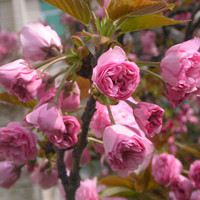
Japanese early cherry is an early-blooming ornamental cherry variety that flowers in early spring
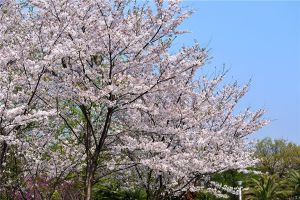
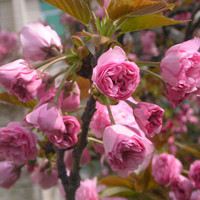
Japanese early cherry is a deciduous small tree of the genus Prunus in the rose family (Rosaceae), named for blooming earlier in spring than most cherry varieties. Its flowers usually open before the leaves, with pale pink or nearly white petals clustered along the branches, looking like clouds or snow from a distance. It is a popular flowering tree for early spring, often used in courtyards, parks and roadside landscaping.
In terms of classification, Japanese early cherry and Japanese late cherry are two plants that are easily confused. The early cherry blooms earlier and its flowers are relatively small, mostly single or lightly double; the late cherry blooms later, with larger flowers and more double-flowered varieties. In actual landscaping, the two are often planted together so that their bloom times connect and the overall viewing period is extended.
For care, Japanese early cherry likes a sunny, warm and humid environment and is suitable for planting in a spot with deep soil and good drainage. It dislikes long-term waterlogging, which can easily cause root rot. Watering should follow the principle of letting the soil dry before watering again. After flowering, dead branches, diseased branches and overly dense branches can be pruned appropriately to keep the tree form open. During the growing season, apply light fertilizer frequently, and watch for pests such as aphids and red spider mites as well as gummosis, and deal with them promptly once found.
Among common problems, a plant that refuses to bloom is often related to insufficient light, waterlogged soil or improper pruning, and these aspects can be checked and adjusted. In addition, cherry trees are relatively sensitive to air pollution, so when planting, try to avoid heavily polluted areas and choose a well-ventilated environment so the tree can grow vigorously and bloom every year.