The flower language of the hibiscus symbolizes purity and delicate beauty, with different colors carrying different meanings
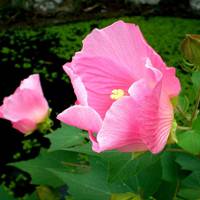
Hibiscus usually refers to the cotton rose (Hibiscus mutabilis), a deciduous shrub or small tree in the mallow family (Malvaceae), genus Hibiscus, that blooms in summer and autumn with large, brightly colored flowers, and is one of China's traditional ornamental flowers. Its flower language is commonly said to include purity, delicate beauty and chastity, along with a meaning of precocity, which relates to its habit of blooming at dawn and opening in response to the sun. In traditional culture, the hibiscus flower is also often used to symbolize noble character.
The cotton rose has an interesting trait: the flowers of some varieties change color within a single day, starting out white or pale pink in the early morning, gradually deepening in the afternoon, and turning deep red by evening, which is why it is called "three-drunk hibiscus." It is precisely because of this rich coloration that hibiscus flowers of different colors carry slightly different meanings; white mostly represents flawless purity, while pink and red are more associated with passion and vivid brilliance.
On the cultural level, the hibiscus flower appears very frequently. The phrase "hibiscus emerging from water" is often used to describe a fresh, refined beauty, though this expression refers more to the aquatic lotus, known in ancient times as the water hibiscus; the terrestrial cotton rose, because it blooms in autumn braving the frost, has been given the meaning of resilience and noble purity. Chengdu has long been planted all over with hibiscus and has designated the hibiscus flower as its city flower, which is why the city also has the nickname "Rongcheng."
In terms of uses, the hibiscus flower is fairly adaptable, preferring a sunny, warm and humid environment, is not demanding about soil, tolerates pruning, and is relatively low-maintenance, making it suitable for planting in courtyards, along roadsides or by the water for ornament. Beyond its ornamental value, its flowers and leaves also have a tradition of being eaten or used medicinally in some regions; if you wish to actually use them, it is advisable to consult a professional first and avoid trying them blindly.
Related Reading