Characteristics of Sageretia Bonsai, Care Methods and Common Problems Explained
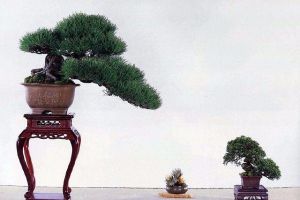
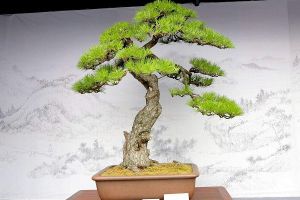
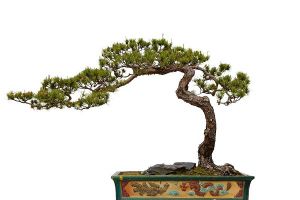
Sageretia bonsai is a traditional tree-stump bonsai cultivated from Sageretia, a plant of the genus Sageretia in the buckthorn family Rhamnaceae, and it holds an important place in Lingnan bonsai. Sageretia has strong sprouting ability and tolerates pruning well; its branches and trunk are rugged and archaic, and its root system is well developed, making it easy to create the effect of exposed roots and clawing toes. In addition, its leaves are small and its internodes are tight, making it suitable for creating many styles such as the large-tree style and the cliff style.
Sageretia is mainly distributed in the Yangtze River basin and areas to the south, commonly found on hillsides, hills and in thickets. It prefers a warm, humid environment with ample light, also tolerates slight shade, and is drought-tolerant and tolerant of barren soil, with fairly strong adaptability. It is not strict about soil, preferring loose, fertile, well-drained sandy loam; when mixing soil, leaf mold can be blended with an appropriate amount of river sand.
In daily care, watering should follow the principle of watering when dry and letting it dry between waterings, avoiding long-term water accumulation in the pot soil that causes root rot. During the peak growing season, fertilizer can be applied lightly and frequently to keep the branches and leaves growing vigorously. Sageretia grows relatively fast, so it needs frequent pinching, bud removal and timely pruning to prevent branches from growing leggy and to maintain a compact tree shape. Every two to three years it can be repotted once in spring, with appropriate root pruning and soil replacement, which helps the plant recover its growth.
A common problem with Sageretia is branch dieback, that is, some branches lose water, shrink back or even dry up, mostly related to dry air, improper ventilation or damaged roots. Usually attention should be paid to maintaining humidity, avoiding direct strong winds and frequent moving. During the growing season, also watch for pests such as aphids and scale insects, and achieve early detection and early control, so that Sageretia bonsai can maintain its rugged and beautiful posture for a long time.
Related Reading