The language of roses is beautiful love, and the meanings of different colors vary
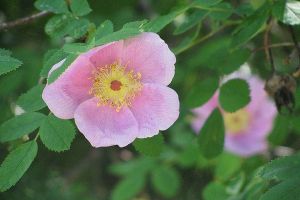
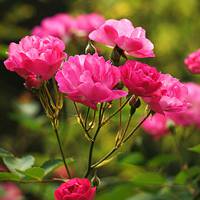
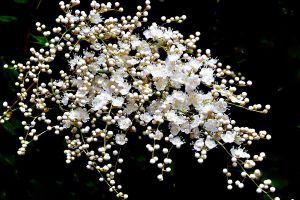
Rosa multiflora is a climbing shrub of the genus Rosa in the Rosaceae family. Its branches are slender and thorny, and it mostly blooms in late spring and early summer. The flowers open in clusters, commonly in colors such as pink, red, and white. The so-called flower language is the symbolic meaning people assign to a flower based on its form, habits, and cultural tradition. The core of the language of roses is beautiful love and the longing of love, and since ancient times it has been a common flower used by people to express emotion.
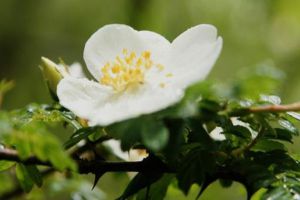
The language of roses also differs according to color. Red roses represent passionate love and are suitable for expressing intense feelings; pink roses symbolize a vow of love and often appear on occasions of confession; white roses symbolize pure love; yellow roses mostly refer to an eternal smile and also carry a meaning of apology; purple roses represent imprisoned happiness. When giving flowers, you can choose a suitable color according to the occasion and your feelings.
Roses have a long history of cultivation in our country. In ancient poetry they were often used to express tender feelings, and they are commonly seen in courtyard fences and trellises, by walls, and along corridors. Because the branches are strongly climbing and the flowers are densely blooming, roses are also often used as greening material for flower walls, flower trellises, and fences, combining ornamental value with environmental beautification.
It should be noted that what are commonly called roses, Rosa rugosa, and Chinese roses belong botanically to the same Rosaceae family, are similar in form, and are often referred to interchangeably. When understanding the flower language, there is no need to dwell too much on variety differences; it is enough to grasp the overall meaning of expressing love and longing. In addition, rose branches have thorns, so care should be taken when giving or pruning them to avoid being pricked.
Related Reading