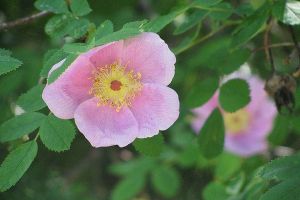
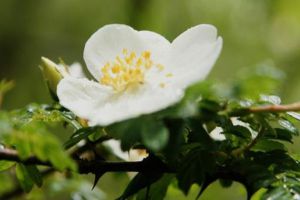
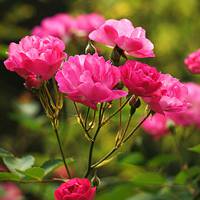
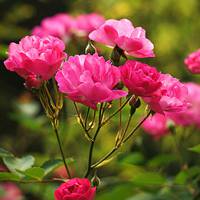
Rose blooming season mostly falls in late spring and early summer; with proper care, the flowers bloom more abundantly.
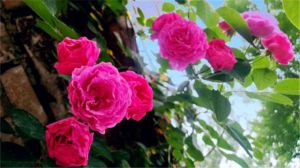
The rose blooming season refers to the period when plants of the genus Rosa bloom in concentration. Most common wild roses and traditional varieties are once-blooming, flowering once a year in late spring and early summer, with blossoms opening in clusters, and the overall ornamental period can last several weeks. The south, where temperatures rise quickly, usually blooms early, while the north is relatively later, and the specific timing fluctuates with the local climate.
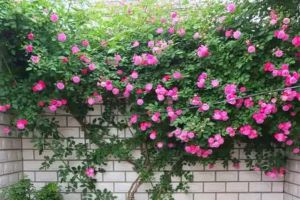
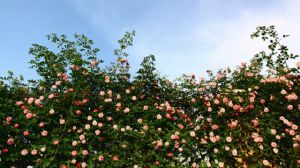
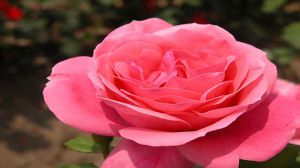
Differences between types are also fairly pronounced. Traditional climbing roses often bloom only one season a year, but the flower quantity is very large, and when in full bloom the branches are covered with flowers, so they are often used to create flower walls. Many modern bred varieties, however, have the ability to bloom continuously, producing buds multiple times from spring to autumn, so the ornamental period is naturally longer.
To make roses bloom on schedule, management before and after flowering is crucial. During the growing period, give plenty of light, water so that the soil dries and then gets thoroughly wet, and before bud formation appropriately supplement with phosphorus and potassium fertilizer to promote flower bud differentiation and bud development. Once the peak flowering period begins, reduce fertilizing to avoid flowers fading too early, while keeping the environment well ventilated.
After flowering, promptly cut off spent flowers and overly dense branches to reduce nutrient consumption and help the plant recover. If the plant only grows leaves and does not bloom, it is most likely due to insufficient light, too much nitrogen fertilizer, or incorrect pruning timing, which can be checked and adjusted one by one. Around the flowering period, also watch for problems such as aphids and powdery mildew, and deal with them as early as possible once discovered so as not to affect flowering quality.
Related Reading