What Kind of Plant Is Veronica? A Small and Exquisite Wild Herbaceous Flower
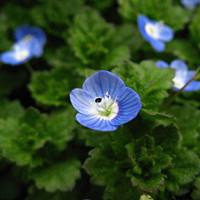
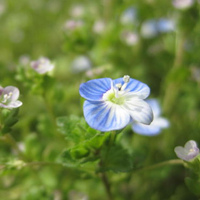
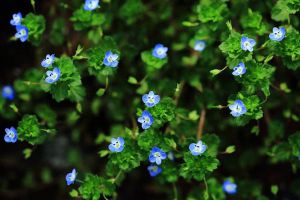
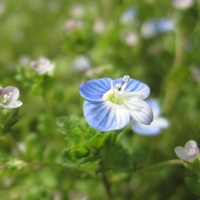
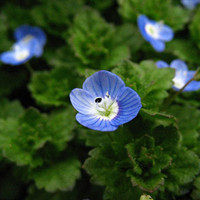
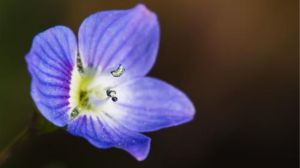
Veronica is an annual or biennial herbaceous plant in the genus Veronica of the family Scrophulariaceae, though some modern classification systems place it in the family Plantaginaceae. The plant is short, often creeping or spreading along the ground, with small leaves, and is mostly found at field edges, roadsides, hillside grasslands, and similar places. When it blooms, the flowers are mostly pale blue, blue-purple, or pinkish white. Though the flowers are not large, they look very fresh and elegant when blooming in masses.
The genus Veronica contains quite a few species. Another common one is Persian speedwell (Veronica persica), whose flowers are somewhat larger and more vividly blue, and it is a very common small blue flower in early spring fields. In horticulture, some ornamental cultivars have also been bred, often used for flowerbed edging, ground cover, or potted display. The shared traits of these plants are their small flower shapes, early blooming period, and a strong sense of natural wild charm.
Veronica is highly adaptable and likes a sunny, cool, and moist environment. It is not demanding about soil, and can grow normally as long as drainage is good. Propagation is mainly by sowing, which can be done in both spring and autumn. After seedlings emerge, simply keep the soil slightly moist and avoid waterlogging. It is relatively low-maintenance; with proper weeding and adequate light, it will grow very well.
It is worth noting that the name Veronica can easily cause misunderstandings. In fact, there are different explanations for the origin of the name, and it has nothing to do with the mother-in-law referred to in the home. In addition, wild-growing Veronica is often cleared away as a weed. If you want to use it to decorate your yard, you might leave a few clumps to let it bloom naturally. In some areas, there is a custom of gathering its young shoots to eat, but wild plants with similar appearances are hard to identify, so it is not recommended to gather and eat them at will.
Related Reading