The dandelion's flower language is freedom and strength, and it also represents a love that cannot stay.
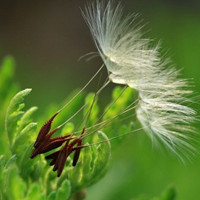
The dandelion is a perennial herbaceous plant in the Asteraceae family, and it is very common along field edges, roadsides and on lawns. It first opens small golden-yellow flowers, and after the flowers fade, the seeds carry white pappus at their tips, gathering into a light little fluff ball that scatters and flies away as soon as the wind blows. It is precisely this posture of traveling with the wind that ties the dandelion's flower language closely to freedom and flight.
Among the more widely circulated sayings, the dandelion's flower language is often interpreted as freedom, strength, and a love that cannot stay. After the seeds leave the mother plant, they drift into the distance and take root and sprout in new soil; from this, people see it as a longing for faraway places, and also as a symbol of being at ease wherever one lands and bravely facing change. The small yellow flowers bloom in spring, and it can grow well without much care; this tenacious vitality also gives it a bit more of a meaning of resilience.
In flower giving and everyday expression, the dandelion is often used to convey good wishes. Some people mention the dandelion when seeing off relatives and friends or at graduation keepsakes, hoping the other person will fly like a seed toward a broader world and grow as soon as they land; many people also like to paint it into illustrations or photograph it, recording this plain yet romantic plant.
From the plant itself, dandelion leaves grow close to the ground, spreading out in a rosette, and snapping the stems and leaves releases white milky sap; the flower heads open during the day and close in the evening. It has low demands on the environment, and besides being ornamental, its tender leaves are often eaten as a wild vegetable among the people. However, when identifying it outdoors, be careful to distinguish it from similar-looking Asteraceae plants, and before trying it as food for the first time, it is best to understand it clearly and act within your limits.
Related Reading