Complete Guide to Pumpkin Varieties: Common Types and Their Characteristics
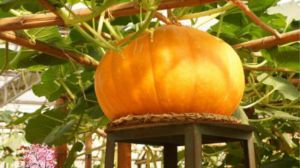
Pumpkin is an annual vining herbaceous plant of the genus Cucurbita in the gourd family (Cucurbitaceae), with a long history of cultivation and strong adaptability. What we commonly call pumpkin varieties covers several species under the genus Cucurbita, and by use they can be broadly divided into three categories: edible, ornamental and processing types. Different varieties differ noticeably in fruit shape, skin color and taste.
Among edible pumpkins, the common varieties each have their own characteristics. Miben pumpkin (Cucurbita moschata) has a long gourd-shaped fruit with orange-red flesh and a starchy, sweet taste, and is a common type on the market; Beibei pumpkin and chestnut pumpkin have small fruits, and once steamed they have a starchy, glutinous texture with a flavor resembling chestnuts, making them quite popular in recent years; Damopan pumpkin has a large, flat-round fruit and is a traditional local variety that stores relatively well; Niutui pumpkin is long and cylindrical with firm flesh, suitable for cutting into chunks for stewing or for making fillings.
Ornamental pumpkins, by contrast, win attention with their unusual fruit shapes, such as mini pumpkins, flying-saucer pumpkins and crown pumpkins. Their colors range across orange, yellow, green, white and more, and they are often used for courtyard landscaping, balcony accents and festival decorations, with high ornamental value during the fruiting period.
When choosing a variety, consider your growing space and intended use. For a balcony or small yard, it is best to choose small-fruited varieties with a relatively compact habit that fruit early, and to ensure sufficient light; if growing mainly for eating, you can choose between starchy-glutinous and sweet-mealy types according to your taste preference. Overall, pumpkins like warmth, tolerate drought and dislike waterlogging, so avoid water accumulation during the growing period; harvesting the fruit after it is fully ripe and storing it properly will give it a richer flavor.
Related Reading