The Language of Red Spider Lily Flowers and the Legend and Meaning of Higanbana
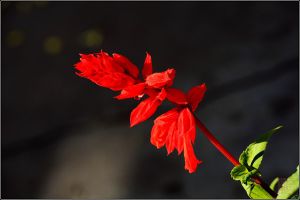
The red spider lily is a perennial herbaceous plant of the amaryllis family (Amaryllidaceae), genus Lycoris, generally known by its scientific name Lycoris radiata, and also called higanbana or dragon-claw flower in folk usage. It usually blooms in late summer and early autumn, with red being the most common flower color; the petals curl outward and the stamens are slender and spread out, making it especially striking when it blooms in masses.
The most unusual thing about the red spider lily is that its flowers and leaves never meet. Only after the flowering period ends do the leaves slowly emerge, and once the leaves wither, the next bloom requires a long wait again. It was precisely by observing this habit that the ancients gave it the imagery of parting and longing.
In the more widely circulated language-of-flowers systems, the red spider lily is often interpreted as endless longing, sorrowful memories, and a love that is hard to stay together for. Related legends compare the flower and the leaf to a pair of guardians who eternally miss each other, caring for one another yet never destined to meet, so its flower language carries a strong, poignant beauty.
As for the origin of the name, the term manjusaka comes from a Sanskrit transliteration and is regarded in Buddhist texts as an auspicious flower sent down from heaven. In different cultural contexts, its meaning includes both the grief of being separated by life and death and an aspect of transcendence and rebirth, so it can be understood according to the specific occasion.
It should be noted that the entire red spider lily plant contains toxic alkaloids, with the toxicity especially pronounced in the bulb. Never ingest it while admiring it, and extra caution is needed in homes with children or pets. As a garden plant, it is shade-tolerant and highly adaptable, often planted in masses under trees, along roadsides, or by the water; when in bloom it looks like a red carpet spread over the ground, with a very striking ornamental effect.
Related Reading