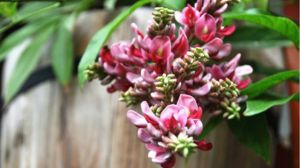
An Introduction to the Characteristics, Common Varieties and Care Tips of Banksia Rose
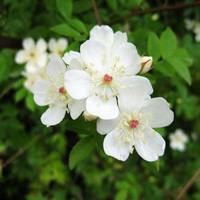
Banksia rose (Rosa banksiae) is a climbing shrub in the genus Rosa of the family Rosaceae, native to the southwestern part of China, and today it is common in the courtyards and parks of many southern regions. Its slender branches have few or almost no thorns, and it can climb several meters high with the help of flower trellises and fences, producing strings of small flowers in spring, with a fragrance that is elegant and far-reaching, noticeable from a great distance.
In cultivation, banksia roses are commonly divided into two main groups, the white banksia rose and the yellow banksia rose, with flower colors of white and yellow respectively, and each further divided into single-flowered and double-flowered forms. Double-flowered varieties have layered, full blooms with better ornamental effect, but most of them rarely set fruit; single-flowered varieties can produce small fruits after flowering and are sometimes also used as rootstock for grafting rose-type flowers.
As for care, banksia rose prefers a sunny, well-ventilated environment, has a certain tolerance to cold and drought, and is suitable for planting in deep soil with good drainage. When planting in the ground, it is best to set up a support for climbing in advance, maintain water supply during the growing season, and promptly cut off spent flowers and overly dense branches after flowering, which helps the next year's bloom to be more abundant.
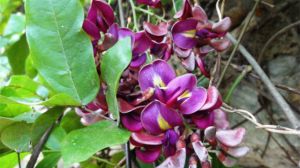
Because of its rich fragrance and strong climbing ability, banksia rose is often used to create flower walls, flower corridors and courtyard fences, and has high ornamental value. It should be noted that there are quite a few plants on the market with similar names, such as the several plants often called qilixiang (orange jessamine), as well as the somewhat similar-looking Millettia dielsiana, and when buying, they can be distinguished by whether the branches bear thorns, the leaf shape and the flower color, so as to avoid buying the wrong variety.