The flower language of the datura is rich in meaning, and the meanings differ for each color
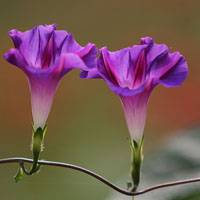
Datura is a herbaceous or semi-shrub plant of the genus Datura in the nightshade family, also known as yangjinhua, large trumpet flower, and drunken-heart flower, and it mostly blooms in summer. Its flowers are large and spreading, shaped like a funnel or trumpet, and are commonly seen in colors such as white, yellow, purple, and pink, borne singly on the branches, with strong ornamental value. It is often mentioned in religious texts and folk legends, and is a flower that carries an air of mystery.
There are many versions of the flower language of datura in circulation, and on the whole they cannot be separated from the layers of meaning of mystery, the unknown, and unpredictability. Because its flower shape is peculiar and distinctive and it also carries a special fragrance, folk tradition has given it a complex and contradictory symbolism, with meanings of transcendence and purification as well as implications of the unpredictable and dangerous temptation, so it often plays a role that is both good and evil in various legends and stories.
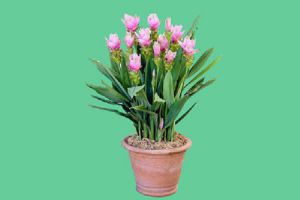
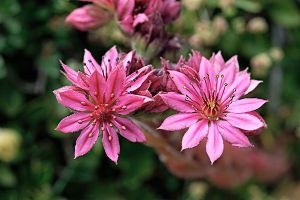
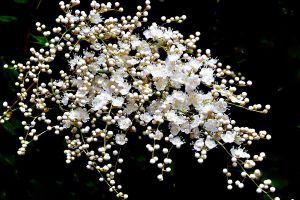
According to folk sayings in circulation, the flower language of datura of different colors has different emphases: white symbolizes purity and purification, gold represents respect and good fortune, pink implies comfort and warmth, while purple and black are more connected with mystery and the unknown. Most of these sayings come from cultural legends and there is no unified conclusion, so it is enough to treat them as folk anecdotes when learning about them.
It should be especially noted that the entire datura plant is toxic, with the seeds and flowers being particularly poisonous. Accidental ingestion can easily cause poisoning, and it must never be eaten out of curiosity. If there are children or pets at home, even greater care is needed when planting it, and its placement should avoid contact; wearing gloves is also recommended when pruning and tending it. While enjoying it, put safety first.
Related Reading