The flower language of the canna lily is a bright future, and it also symbolizes perseverance to the end
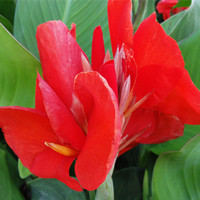
Canna lily is a perennial herbaceous plant of the genus Canna in the family Cannaceae, with large, brightly colored flowers that mostly bloom in summer and autumn, and common varieties in red, yellow, orange, and speckled forms. Its flower language is generally understood as a bright future and perseverance to the end, with an overall positive meaning, often used to express enthusiasm for life and expectations for the future.
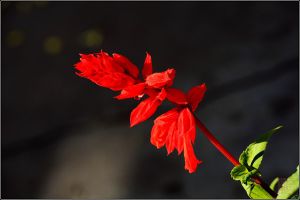
Different flower colors also carry subtle differences. Red canna lilies are the most common and are often given the meaning of passion and prosperity, suitable as gifts for festive occasions such as housewarmings and business openings; yellow and orange varieties have bright tones, giving a warm and cheerful feeling. In many places, people also like to plant them at the entrance of courtyards, taking the auspicious meaning of life getting more and more prosperous.
In terms of care, canna lilies prefer a sunny, warm, and humid environment, and are not strict about soil, but they grow better in loose, fertile, well-drained soil. Keep the water supply sufficient during the growing season, and properly supplement with phosphorus and potassium fertilizer before and after the flowering period, and the blooms will be more abundant. It is not cold-tolerant, so before winter begins it needs to be covered for insulation, and in cold regions the rhizomes can be dug up and stored for the winter.
Some flower lovers find that their canna lilies do not bloom for a long time, which is mostly related to insufficient light, too much nitrogen fertilizer, or damage to the tubers during overwintering; moving them to a sunny spot and reasonably controlling fertilizer can gradually improve the situation. In addition, canna lilies have a certain tolerance for and ability to absorb harmful gases, and are often used for landscaping in courtyards, along roads, and in factory areas, making them flowers that combine ornamental value with purification.
Related Reading