The flower language of the kapok flower is to cherish the people right in front of you, and it is praised as the passionate flower of heroes.
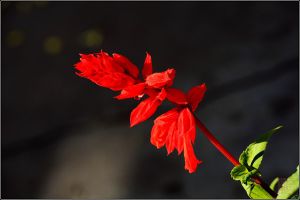
The kapok flower is the blossom that the kapok tree (Bombax ceiba) produces in spring. Its petals are mostly a vivid orange-red, thick and full, and it usually blooms before any leaves appear, so a whole tree of red flowers stands out strikingly. Because the tree is tall, straight and upright, and its flowers open upward, the kapok tree is often called the hero tree in southern China, and the kapok flower has thus earned the fine name of the hero flower.
The flower language of the kapok flower is mainly to cherish the people right in front of you and the happiness around you. Its fiery red blossoms are like burning flames, which has also given it the meaning of being passionate as fire and striving upward, and it is often used to describe an unyielding, heroic spirit. When the kapok is in full bloom, many places have the custom of admiring the flowers and taking keepsakes, and people take this fiery red as a symbol of a good life.
Kapok is mainly distributed in southern and southwestern China, and it is the city flower of cities such as Guangzhou. It is commonly seen in courtyards, along roadsides and on riverbanks. It is not only outstanding in ornamental value: the kapok fibre in its seed pods is light and soft and can be used as stuffing for pillows, and the dried flowers are also often used among the people to make soup or herbal tea.
One thing to keep in mind is that kapok flowers that fall by the roadside easily pick up dust and exhaust fumes, so it is not advisable to casually pick them up to eat. If you want to make use of them, it is best to choose a clean source and wash and process them thoroughly. Overall, with its gorgeous appearance and high-spirited image, the kapok flower becomes an unforgettable scene in spring.
Related Reading