Magnolia Flower Language and Symbolism: A Guide to the Meaning of Magnolia
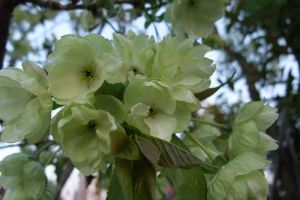
Magnolia is a deciduous tree or shrub of the genus Magnolia in the family Magnoliaceae. It usually blooms in early spring before the leaves emerge. The flowers are large and spreading, commonly purplish red, pinkish white or nearly white, and shaped like a cup or a small vessel. It is a traditional ornamental flowering tree commonly seen in courtyards and parks. When in bloom, the whole tree is covered in profuse blossoms with an elegant bearing, so it is often mentioned alongside Yulan magnolia.
The flower language of magnolia is usually interpreted as noble purity, gratitude and sincere thanks, and some also give it the meaning of being as pure as ice and jade, brave and strong. Overall, these meanings mostly revolve around noble character and knowing how to be grateful, which fits well with the magnolia's refined, unworldly air and its habit of not competing with other flowers for attention. Magnolias of different colors place slightly different emphasis in meaning, and the purplish red varieties often appear more dignified and fervent.
In practical use, magnolia is very suitable for expressing gratitude and respect, for example as a gift on Teachers' Day or when thanking teachers and elders, as it is generous yet reserved. In traditional culture, magnolia is also a frequent guest in poetry; the ci form named after magnolia has been passed down for a long time, and some people also associate it with the loyal, brave and down-to-earth image of Hua Mulan, which makes this meaning feel even weightier.
Many friends cannot tell magnolia and Yulan magnolia apart. Simply put, both are plants of the Magnoliaceae family and their flowering periods are similar, but Yulan magnolia flowers are mostly pure white, while magnolia tepals often carry purplish red, or are purple outside and white inside, so observing the flower color is enough to roughly distinguish them. As for care, magnolia likes a sunny, warm and humid environment and is suitable for planting in deep, well-drained, slightly acidic soil. It dislikes waterlogging. Properly pruning spent flowers and withered branches after flowering helps it bloom the following year.
Related Reading