How to Grow Wintersweet from Seed: Sowing Methods and Care Tips
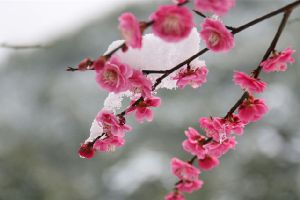
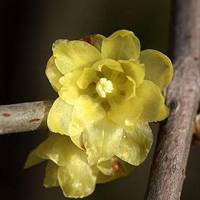
Wintersweet, also known as winter sweet, is a deciduous shrub of the Calycanthaceae family that blooms before its leaves appear and flowers in the depths of winter with a rich fragrance. It is a traditional winter ornamental flowering shrub in China. Its seeds are wrapped inside a jar-shaped fruit receptacle; once the fruit ripens, the receptacle turns brown, and you can peel it open to take out the plump seeds inside and sow them at home to raise seedlings. The method is not difficult and is well suited for gardening enthusiasts to try.
Seed collection is generally done in summer after the fruit has fully ripened, and the seeds taken out should be selected for plumpness and freedom from insect damage or breakage. The seed coat of wintersweet is fairly hard, so before sowing you can soak the seeds in warm water for one or two days to let them absorb enough water, which can speed up germination. The treated seeds can be sown right after collection, or dried in the shade and stored to be sown the following spring.
For sowing, choose a loose, fertile, well-drained sandy loam; place the seeds evenly, cover them with a thin layer of soil, water thoroughly, and keep them in a ventilated spot with scattered light. After that, keep the soil slightly moist without waterlogging and avoid direct sun exposure; when conditions are suitable, the seeds will successively break through the soil and sprout.
After the seedlings emerge, light can be gradually increased. Young seedlings do not need much water, so when watering, it is better to keep them on the dry side than to overwater; waterlogging easily causes root rot. Wintersweet likes light and tolerates drought. Once the young plants have grown strong, they can be transplanted to a sunny, ventilated spot, and a small amount of diluted liquid fertilizer applied during the peak growing season will make the seedlings grow more robust.
It should be noted that seedlings grown from seed grow rather slowly, and it often takes several years from sowing to flowering; moreover, the offspring of seed propagation tend to segregate in their traits, so flower color and flower form may not match the mother plant. If you want to preserve the characteristics of a cultivar, grafting or division is mostly used, while sowing is better suited to cultivating rootstock or simply enjoying the fun of raising seedlings.
Related Reading