A Complete Guide to Pothos Care Methods and Precautions
Pothos is an evergreen climbing plant in the Araceae family, and because of its bright green, glossy leaves and naturally trailing vines, it has become a common indoor foliage plant. It has strong adaptability and good shade tolerance, and can be grown either in soil or in water, making it an entry-level choice for many beginner gardeners.
As for light, pothos likes bright indirect light and dislikes direct strong sunlight; long periods of exposure to harsh sun can easily scorch the leaves, while an environment that is too dark will cause the leaf color to fade and the plant to grow leggy. Normally it can be placed in a bright, well-ventilated spot indoors, and in winter it can be given a little more soft sunlight, which helps keep the leaves a deep green.
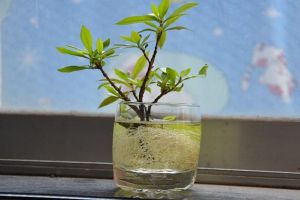
Watering is a key part of care. Pothos likes moisture but fears waterlogging, so generally wait until the surface of the potting soil has dried before watering thoroughly, to avoid prolonged dampness that causes root rot. For pothos grown in water, be sure to change the water regularly to keep it clean; when the air is dry, you can also mist the leaves to raise humidity, and the leaves will be more glossy.
Temperature and fertilizing should not be overlooked either. Pothos likes a warm environment, so in winter pay attention to cold protection and keeping it warm, to avoid frost damage from low temperatures. During the peak growing season, you can apply light fertilizer frequently; a dilute liquid fertilizer based mainly on nitrogen or well-rotted organic fertilizer water are both suitable, while fertilizer that is too concentrated or excessive can easily burn the roots.
In routine care, yellow leaves on pothos are mostly related to overwatering, improper light, or poor ventilation; once noticed, the cause should be investigated promptly and the care approach adjusted. In addition, regularly pruning overly long vines can both control the plant's shape, and the cut stems can be used for cuttings propagation, with a fairly high survival rate, so one pot can easily become many pots.
Related Reading