Lily of the valley is a shade-tolerant, fragrant spring ornamental flower
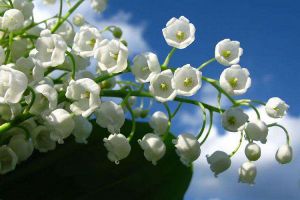
Lily of the valley is a perennial herbaceous plant with a compact form and basal leaves that are mostly oval. Each spring it sends up a flower scape from the leaf cluster, with a row of small white bell-shaped flowers hanging from the tip; they resemble little bells, which is how the plant got its name. The flowers are pure white and elegantly understated with a sweet fragrance, often used to make perfume or as cut flowers, and it is also a popular groundcover plant for gardens.
In terms of growing habits, lily of the valley prefers a cool, moist, semi-shaded environment and cannot tolerate high temperatures or direct strong light. It is best planted in soil rich in humus with good drainage. For home cultivation, choose a spot with soft light such as under a tree shade or on the north side of a balcony, keep the soil slightly moist during the growing season, avoid waterlogging, and pay attention to shading and ventilation during the high summer heat.
Propagation is mainly by division, usually in autumn or early spring by splitting the underground rhizomes and replanting them separately; dividing every two to three years helps maintain vigorous growth. A special reminder: the whole lily of the valley plant contains toxic compounds, and accidental ingestion can cause discomfort, so when growing it at home it should be placed out of reach of children and pets.
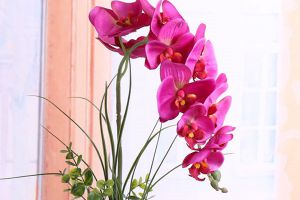
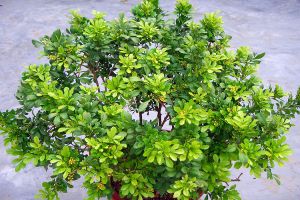
Besides its ornamental value, lily of the valley is regarded in some countries and regions as a symbol of happiness and purity, and is often used in bouquets and festive occasions. Also note that although lily of the valley, orchids, and Aglaia odorata have similar-sounding names, they are not the same kind of plant, and their forms and habits differ greatly, so it is best to learn about them clearly before buying or growing them.
Related Reading