Jasmine Flower Meaning and Symbolism: The Flower That Represents Purity and Fidelity
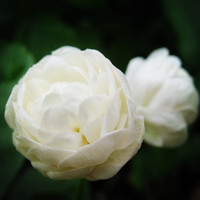
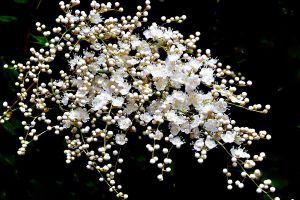
The meaning of the jasmine flower mainly includes purity, chastity, simplicity, fidelity and respect. Jasmine is an evergreen shrub in the Oleaceae family, with small, pure white flowers and a fresh, lingering fragrance. People often use jasmine as a metaphor for beauty of character without adornment, so in the language of flowers it has always represented flawless purity and sincere emotion.
Looking at the symbolism in detail, white jasmine represents pure and steadfast love, and in popular flower language it also carries a reserved tone of confession, making it suitable for lovers to give to one another. If you want to express respect and gratitude toward elders or teachers, the modest, understated character of jasmine fits very well too. Unlike the opulence of the peony or the proud spirit of the plum blossom, the beauty of jasmine lies in its fresh naturalness, and that is exactly the underlying tone of its flower language.
Jasmine's practical value is equally notable. It is the main raw material for scenting jasmine tea, which gives the brew a natural floral aroma; as a potted plant or garden flower, it has a long blooming period and a pleasant fragrance, making it suitable for balconies and courtyards. In addition, jasmine is an important aromatic plant that can be used to extract natural essential oils.
For care, jasmine prefers a sunny, warm and humid environment; with ample light it produces more flowers and a stronger fragrance, and keeping moisture balanced during the growing season helps it continue to form buds. Once you understand what the jasmine flower meaning conveys, whether you grow it yourself to enjoy or give it to someone else, you can more accurately express the sentiment behind this fresh fragrance.
Related Reading