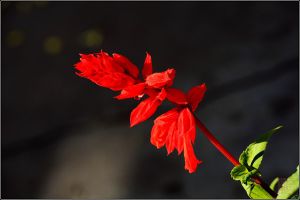
A Detailed Explanation of the Flower Language and Symbolism of the Morning Glory
Morning glory is the common name people use for the plant also known as qianniuhua, so called because its flower tube resembles a small trumpet. It is an annual twining herbaceous plant in the Convolvulaceae family, and it usually opens in the early morning during summer and autumn. In the culture of flower language it carries rich meanings, and it is often used to express affection and attachment.
The most common flower language of the morning glory is everlasting love and fond attachment. Because the flowers bloom in the early morning and gradually close and fade around midday, their flowering period is brief yet they open with unusual earnestness, so they are also given the meaning of cherishing the present and seizing beautiful moments.
Morning glories of different colors each carry their own meanings. It is generally thought that purple morning glories represent romance and charm, pink conveys tender love, and white symbolizes purity and tranquility, so when giving or planting them you can choose according to the feeling you want to express.
On the cultural level, the connection between the name qianniuhua and the star Altair has been passed down for a long time, and in folk tradition it is often told together with the story of the Cowherd and the Weaver Girl, carrying people's longing for faithful love; ancient poetry and prose also contain many famous lines praising it.
In terms of care, the morning glory is highly adaptable, preferring a sunny, warm and humid environment, and it is not demanding about soil. It is suitable for planting in courtyards along fences, on balcony railings, and other places where it can climb. During the growing season, keep the soil slightly moist and ensure adequate light, and the vines will grow rapidly and produce masses of flowers, giving a very attractive ornamental effect.
Related Reading