Orchid Variety Classification and Introduction to Common Types
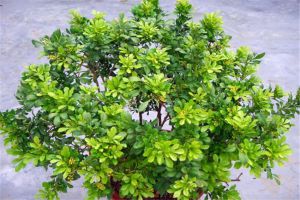
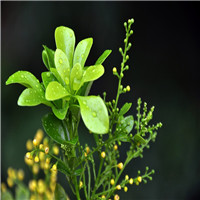
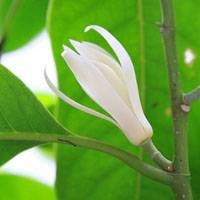
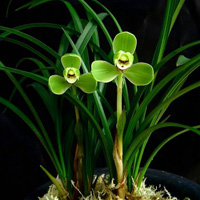
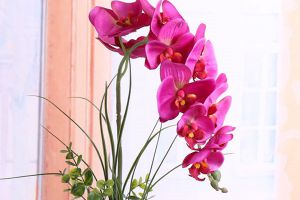
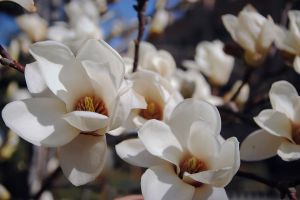
Orchids are the collective term for plants in the family Orchidaceae, and they are also one of the most diverse groups of ornamental plants. What people commonly call orchid varieties generally refers to cultivated types that differ in flower shape, flower color and blooming period. It should be noted that although plants such as Aglaia odorata (orchid tree), Michelia alba (white champaca) and Magnolia denudata (Yulan magnolia) have the word "orchid" in their names, they do not belong to the Orchidaceae family. True orchids are plants of the Orchidaceae family, such as Cymbidium goeringii (spring orchid), Cymbidium faberi (Faber's cymbidium) and Phalaenopsis (moth orchid).
According to their growth habits, orchids can be broadly divided into two major categories: terrestrial orchids and epiphytic orchids. Terrestrial orchids, commonly known as Chinese orchids, mostly grow in soil. Common ones include Cymbidium goeringii (spring orchid), Cymbidium faberi (Faber's cymbidium), Cymbidium ensifolium (sword-leaf orchid), Cymbidium sinense (Chinese cymbidium) and Cymbidium kanran (cold orchid), with elegant flower shapes and a subtle, far-reaching fragrance. Epiphytic orchids, also called aerial orchids and habitually known as foreign orchids, mostly grow attached to tree trunks or rocks. Common ones include Phalaenopsis (moth orchid), Dendrobium (dendrobium), Cattleya (cattleya) and Oncidium (dancing-lady orchid), with brilliant flower colors and a relatively long ornamental period.
Different orchid varieties have their own emphases in care, but their overall habits are similar. Most orchids prefer loose, breathable potting media and a warm, humid, well-ventilated environment, and they dislike waterlogging and strong direct sunlight. Watering should follow the principle of watering when dry and letting dry between waterings, and a dilute liquid fertilizer can be added during the growing season. Post-bloom care is equally important. For example, after Phalaenopsis finishes blooming, the spent flowers should be cut off promptly from the appropriate position on the flower stalk to reduce nutrient consumption, which helps it bloom again.
Orchids are rich in varieties and highly ornamental, making them suitable both for cultivation in courtyards and on balconies and for indoor decoration. When choosing, you can take into account the local climate and your own care conditions, start with varieties that are easy to keep alive, and then gradually try other types. Once care experience has accumulated, it becomes easier to grow orchids into good condition.
Related Reading