Orchid Flower Language and Symbolism: Elegance and Refinement, with Different Varieties Carrying Different Meanings
The orchid flower language is the symbolic meaning people have assigned to orchids, and its core usually revolves around nobility, elegance, beauty, and virtue. In traditional Chinese culture, the orchid ranks among the Four Gentlemen of flowers, often mentioned alongside plum blossom, bamboo, and chrysanthemum, and is used as a metaphor for people of upright character and refined temperament. Since ancient times, scholars have expressed their aspirations through orchids, which is why orchids have also become a common subject in poetry, calligraphy, and painting.
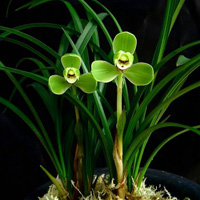
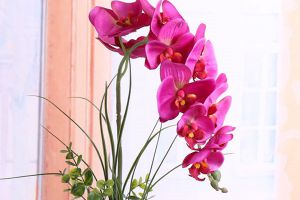
Among common ornamental orchids in the Orchidaceae family, different species place emphasis on different flower meanings. Cymbidium goeringii (spring orchid) mostly symbolizes elegance and virtue, Cymbidium ensifolium (sword-leaf cymbidium) signifies indifference to fame and steadfastness, and Cymbidium sinense (Chinese cymbidium), because its flowering period mostly falls at the turn of winter and spring, is often associated with good fortune and celebration. The flower language of Phalaenopsis (moth orchid) is generally interpreted as happiness flying to you, and with its distinctive flower shape and long flowering period, it has become a popular choice for holiday gifts and home decoration.
On occasions for giving flowers, orchids are used fairly widely. When given to elders, they mostly express respect and wishes for longevity; when given to friends, they symbolize sincere friendship and the bond of gentlemen; for occasions such as moving house or opening a business, their elegant and auspicious meaning is adopted. Different flower color varieties may differ slightly in their specific meanings, so before giving them, you can choose according to the recipient and the occasion.
Flower language is a cultural layer of meaning and has no unified standard, so understandings may differ slightly from region to region. To better present the meaning of orchids, daily care should maintain a warm, humid, and well-ventilated environment, avoiding direct strong light and excessive watering that causes root rot. When the plant grows robustly and blooms profusely, both its ornamental value and the expression of its meaning will be more outstanding.
Related Reading