Conditions for Clivia to Bloom and Flower-Promoting Care Methods
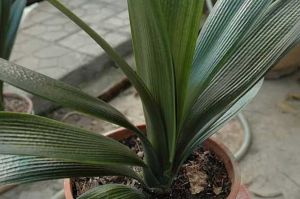
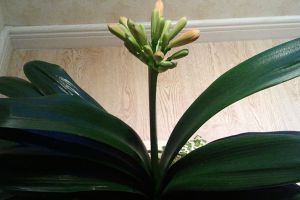
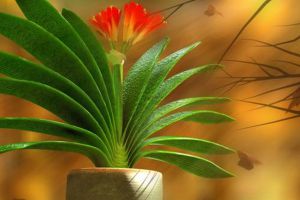
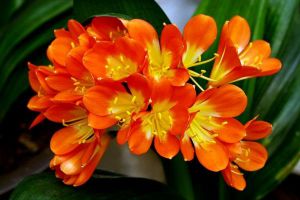
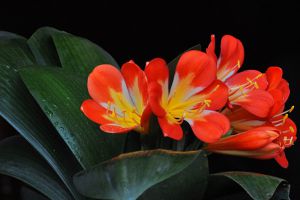
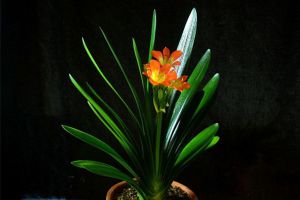
Clivia blooming is an important sign that the plant has grown and matured. It is a perennial herbaceous plant in the Amaryllidaceae family, usually sending up a flower scape and blooming in winter and spring. The flower scape emerges from the middle of the leaf cluster, with an umbel borne at the top. The flowers are funnel-shaped, commonly in colors such as orange-red and orange-yellow, opening in clusters, and are highly ornamental.
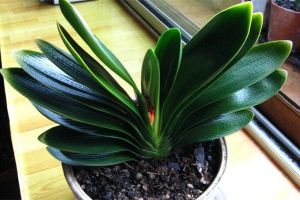
For Clivia to bloom successfully, several basic conditions must be met. First, the plant must be old enough; generally, only after the leaves have grown to a sufficient number and the plant is fully mature does it have the ability to bloom. Second, it needs appropriate light and a day-night temperature difference; the relatively cool environment of autumn and winter helps flower bud differentiation. In addition, before blooming, pay attention to supplementing phosphorus and potassium fertilizer and appropriately controlling nitrogen fertilizer, and flowering will be smoother.
The common problems are mainly failure to bloom and "stuck arrow." Failure to bloom is mostly due to insufficient plant age, long-term poor light, or too much nitrogen fertilizer, which causes excessive growth of branches and leaves and affects flower bud formation. "Stuck arrow" means the flower scape is caught between the leaves before it has risen above the leaf cluster; it is often related to excessively low temperature, insufficient temperature difference, or improper water supply, and can be helped by appropriately raising the ambient temperature and keeping the potting soil moist to help the flower scape emerge.
After flowering, spent flowers should be cut off promptly to reduce nutrient consumption and allow the plant to recover its growth. As long as daily care is proper, Clivia can bloom steadily every year. It is in winter and spring, symbolizes good fortune, and is an indoor ornamental plant much loved by flower enthusiasts.
Related Reading