The Meaning of the Balloon Flower's Language: Eternal Love and Hopeless Love
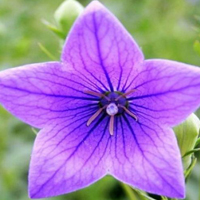
The balloon flower (Platycodon grandiflorus) is a perennial herbaceous plant of the genus Platycodon in the family Campanulaceae. Because its corolla resembles a small bell, it is also called bellflower or monk's cap flower. Its flower language is usually summed up as eternal love and hopeless love; a single plant carries two seemingly contradictory emotions at once, and this is exactly what makes the flower language of the balloon flower so deeply moving.
Balloon flowers of different colors have slightly different flower languages. Purple balloon flowers often represent love without regret, tinged with a note of melancholy; white balloon flowers symbolize sincere and unchanging affection; red balloon flowers are mostly understood as remembrance that will never be forgotten through all ages. Although interpretations vary from place to place, most revolve around love and longing, so understanding the meaning of the colors before giving flowers will make the gesture more fitting.
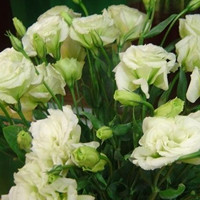
It should be noted that the balloon flower and the lisianthus are not the same plant. The balloon flower is a perennial root flower of the family Campanulaceae native to East Asia, commonly found on hillside grasslands; the lisianthus belongs to the family Gentianaceae, has richer flower colors and fuller flower shapes, and its flower language leans toward true affection and being moved. The two have similar names, so do not confuse them when buying or consulting information.
The balloon flower likes a sunny environment with good drainage. As a perennial plant, its above-ground parts wither in winter and sprout again the following spring, so it is not too troublesome to care for. In folk legends, it is often associated with waiting and longing, and people use it to express their concern for someone far away. In addition, the root of the balloon flower is a commonly used Chinese medicinal herb, and in some regions there is also a traditional way of eating it as a cold dressed dish, so it can be said to combine ornamental and practical value.
Related Reading