The Complete Guide to Flower Language: Understanding the Meanings and Symbolism of Common Flowers in One Article
The complete guide to flower language is an encyclopedic collection that systematically organizes and summarizes the meanings and symbolic significance of common flowers. Flower language refers to the emotional meanings that people have attached to various flowers over long periods of life and cultural exchange, and it can be used to convey feelings such as love, blessings, longing, or apology.
Different countries and ethnic groups may understand the same flower differently, and the same flower in different colors can also carry different meanings. For example, red roses are often used to express passionate love, while white roses more often symbolize purity and sincerity. Only by understanding these differences can you accurately convey your feelings.
In the complete guide to flower language, the meanings of common flowers can roughly be categorized by emotion. Roses symbolize love, carnations represent maternal love and gratitude, lilies imply purity and beauty, sunflowers express sunshine and loyalty, and baby's breath represents a willingness to keep someone company.
Understanding flower language is very useful in daily life. When visiting a sick person, celebrating a birthday, attending a wedding, or giving gifts to elders, choosing the right flowers shows thoughtfulness and helps avoid misunderstandings caused by inappropriate meanings. For example, when visiting a sick person, people usually avoid varieties with strong scents or negative meanings.
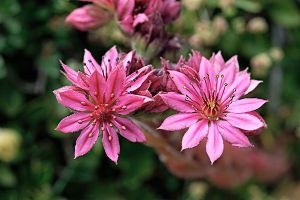
If you want to learn flower language systematically, you can start with common flowers around you. When you come across relatively special flowers such as Monstera deliciosa (swiss cheese plant), Curcuma alismatifolia (Siam tulip), and Echeveria (stone lotus), look up the flower language and legends behind them one by one. With gradual accumulation, you can become someone who truly understands flowers.
Related Reading