An Introduction to the Characteristics of Indigofera amblyantha and Its Planting and Care Methods
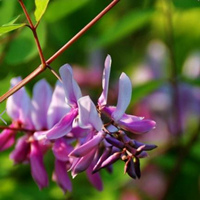
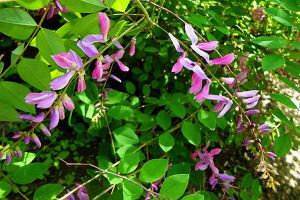
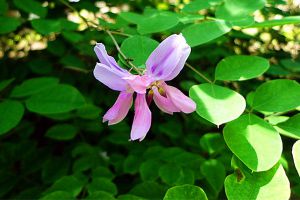
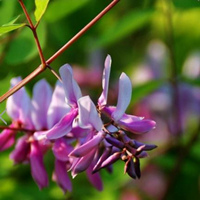
Indigofera amblyantha is a deciduous shrub in the legume family, Fabaceae, and the genus Indigofera. Its branches spread outward, its leaves are pinnately compound, and in early summer it produces pink racemes with distinctive flower shapes and a long ornamental period. It offers both flowers and foliage, and its natural, attractive plant form makes it one of the more commonly used flowering shrubs in landscaping.
In terms of growing habits, Indigofera amblyantha prefers a location with plenty of light, and it also has good cold and drought tolerance. It is not demanding about soil and grows even better in well-drained sandy loam. Because it is highly adaptable and relatively low-maintenance, it is often planted in courtyards, along roadsides, on slopes or in flowerbeds. It can stand alone as a feature or be planted together with other flowering trees and shrubs.
Indigofera amblyantha is mostly propagated from seed, though cuttings can also be used. Before sowing, the seeds can be soaked in warm water to encourage germination. Choose a loose, fertile plot, keep the soil moist after sowing, and thin the seedlings appropriately once they emerge. In routine care, water and weed promptly, apply fertilizer in moderation during the growing season, and prune after flowering by cutting away dead and withered branches to help the plant get better ventilation and light and to encourage flowering the following year.
Besides its ornamental value, Indigofera amblyantha also has good ecological benefits. Its root system is fairly well developed, so it can hold soil and protect slopes and prevent soil erosion. As a legume, it also has some nitrogen-fixing ability, which can help improve poor soil. It can be said that Indigofera amblyantha is an excellent native flowering plant that combines environmental beautification with ecological protection.
Related Reading