Flower cultivation: key points of watering, fertilizing, and pest and disease control
Flower cultivation refers to the gardening activity of using sound cultivation and management practices to let all kinds of ornamental plants grow healthily and bloom successfully. It covers multiple steps such as seedling selection, soil mixing, watering, fertilizing, pruning, propagation, and pest and disease control, and is the most common and most widespread part of home gardening.
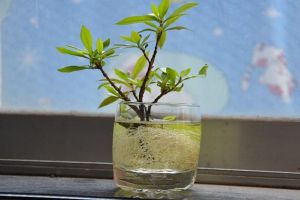
Common cultivation methods include two main categories: soil culture and water culture. Soil culture has broad adaptability and suits most flowers; the key is to choose loose, breathable soil with good drainage. Water culture is clean and attractive, and varieties that root easily, such as gardenia (Gardenia jasminoides), can all be tried; in daily care, attention should be paid to changing the water and replenishing nutrients.
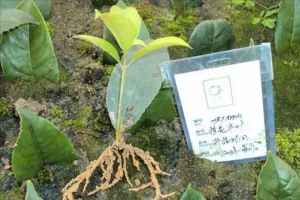
In terms of propagation, cuttings are the most commonly used method. Many common flowers can be propagated both by stem cuttings and by using leaves to grow new plants. To improve the survival rate of cuttings, healthy and sturdy cuttings should be selected, suitable temperature and humidity should be maintained, direct strong light should be avoided, and the cuttings should not be moved frequently before rooting.
Seasonal management is equally important. After winter begins, temperatures drop, and cold-sensitive varieties should be moved indoors in time to keep warm; alternatively, flowers with good cold tolerance can be chosen at the time of planting. In daily care, pests such as aphids and red spider mites are relatively common. Keeping the environment well ventilated, promptly clearing away dead branches and fallen leaves, and dealing with pests as early as they are found are what allow flowers to grow vigorously and bloom continuously.
Related Reading