The "thick-skinned flower" is a drought-tolerant, easy-to-grow succulent in the Crassulaceae family.
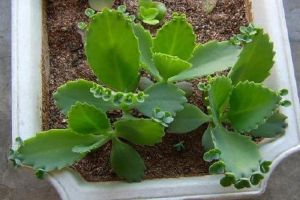
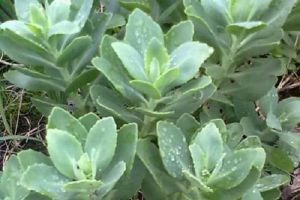
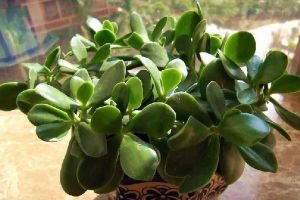
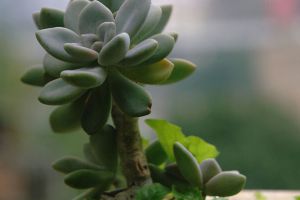
The "thick-skinned flower" is a folk name for a group of plants with thick, juicy leaves, usually referring to Kalanchoe pinnata (syn. Bryophyllum pinnatum) in the Crassulaceae family; in some places, similar succulents such as the jade plant (Crassula ovata) and the silver jade plant (Crassula arborescens) are also called "thick-skinned." The name comes from its extremely strong adaptability: its thick leaves store water, and it tolerates drought and sun, making it look very tough and easy to grow.
Its most typical feature is that a ring of tiny new buds grows along the leaf edges; once the buds mature and fall to the soil, they take root and sprout, which is why it is also called "air plant" (literally "falling to the ground and taking root"). Common types include the broad-leaved Kalanchoe pinnata, the stick-leaved Kalanchoe delagoensis, and foliage varieties with colorful markings along the leaf edges; plant sizes range from small potted specimens to tall plants, each with different ornamental appeal.
For care, the thick-skinned flower likes a sunny, well-ventilated environment, and loose, breathable sandy soil is best. Watering should follow the principle of preferring dry over wet: wait until the potting soil is completely dry before watering; long-term waterlogging easily causes root rot. Propagation is very simple: pick off the small buds along the leaf edges and scatter them on the soil surface and they will survive, with almost no barrier to entry, making it very suitable for beginners.
It is often placed on balconies, windowsills, or in living rooms as an ornamental potted plant; it needs only rough management and offers rich greenery. Note that the sap of this type of succulent should not be ingested; if there are children or pets at home, it is best to place it out of reach to avoid discomfort caused by accidental ingestion.