Is the thick-leaved plant suitable for growing indoors?
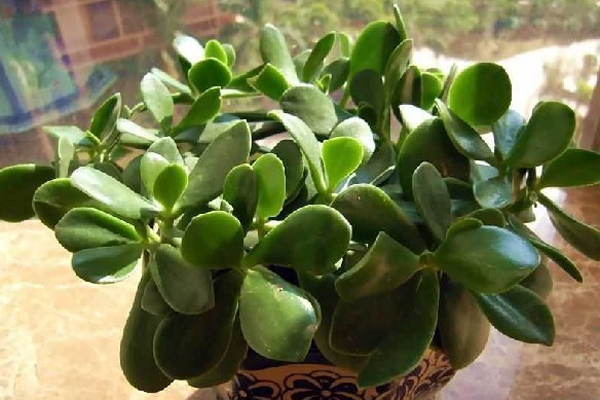
1. Whether it is possible:
Yes, it is possible. People generally grow it in flower pots, creating a miniature world full of interest. It can also protect against radiation. It can absorb gases that are harmful to the human body. And it has certain medicinal effects.
2. Notes on growing it indoors:
1. The reason this plant's leaves grow so thick and fleshy is that its original growing environment lacked water for long periods, so in order to survive, its leaves are full of water, which allows it to resist drought. Therefore, when growing it indoors, be careful not to water it too much, otherwise its roots will rot. In addition, if you water it directly after it has been exposed to strong sunlight, it will also damage its leaves, so you need to pay special attention.
2. Pay attention to light. The light in this plant's place of origin is very intense, so it also likes light very much. If you want to see it bloom, you need to let it receive light all year round. Grown indoors, the light is inevitably much weaker, so we should move it to a sunny spot in the house, or move it outside to sun it every few days.
3. This plant needs relatively more nutrients, so even if it is kept indoors, remember to change its potting soil every one to two months to give it more nutrients.
3. Note:
Although this plant does not release harmful substances, because its sap itself contains some toxins, do not break it off and eat it when caring for it, and be sure to place it somewhere children cannot reach.