Decoding the Symbolic Meanings of Flowers: A Guide to Common Floral Symbolism
The symbolic meanings of flowers are a cultural consensus formed through people's long association with them. Because different flowers differ in their morphological features, growth habits and historical allusions, each has been given its own unique symbolism. Understanding these meanings not only helps with choosing and giving flowers in daily life, but also deepens one's understanding of traditional flower culture.
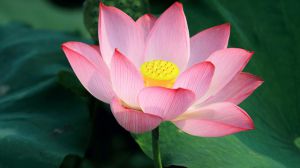
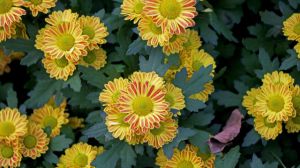
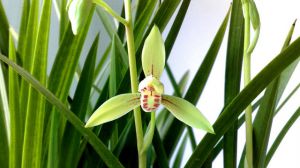
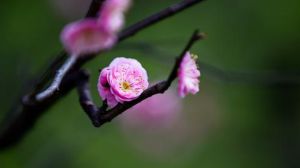
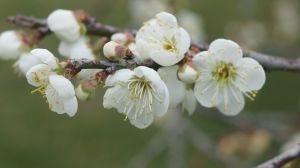
In traditional Chinese culture, the plum blossom, orchid, bamboo and chrysanthemum are together known as the Four Gentlemen among flowers, representing respectively the qualities of resilience against snow, quiet elegance in a secluded valley, humility with integrity, and detachment and reclusion. Because the lotus emerges from mud yet remains unstained, it is often seen as a symbol of honesty and purity; the orchid has a serene air and has long been regarded as synonymous with the bearing of a gentleman.
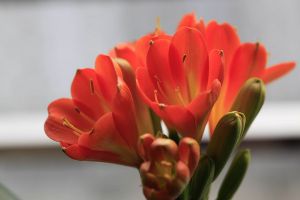
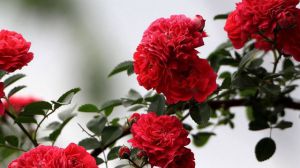
Some flowers carry meanings that lean toward emotional expression; for example, roses and rosebushes are often used to convey love, carnations are mostly used to express gratitude to elders, and lilies symbolize purity and beauty and a lasting harmonious union. The clivia (Clivia miniata) has upright leaves and stately blooms, and is often endowed with connotations of nobility and elegance and lofty character, making it suitable for decorating halls or giving to teachers and mentors.
The symbolic meanings of flowers also vary with color and occasion, and different colors of the same flower may not carry the same meaning. Occasions such as festive decorations, wedding ceremonies and visits to relatives and friends each have their own particular considerations in the choice of floral materials, and choosing the right flowers can better convey one's feelings. It should be noted that different regions and cultural backgrounds may interpret the same flower differently, so it is advisable to take the specific context into account and apply these meanings flexibly.
Related Reading