With proper care, a yew (Taxus) bonsai stays evergreen all year and is highly ornamental
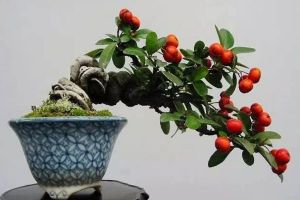
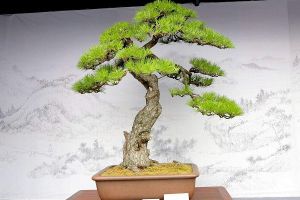
The yew (Taxus) is an evergreen conifer with fine, dense, deep green foliage and an upright form, and in autumn and winter its branches bear bright red fruits that are very eye-catching. Once trained as a bonsai, its branches and trunk look aged and its layers are well defined; placed in a living room, on a balcony or in a courtyard, it offers something to admire in every season.
Common bonsai material includes the Chinese yew (Taxus wallichiana var. mairei), the Japanese yew (Taxus cuspidata) and the hybrid yew Taxus media, among others; they are all fairly shade-tolerant, slow-growing and long-lived, making them suitable for long-term cultivation. Note that yews are dioecious, so if you want to see red fruits, it is best to grow one female and one male plant so that pollination can occur and fruit can form. Wild yews are key protected plants, so when choosing seedlings you should select plants grown by a legitimate nursery.
In daily care, the yew likes a cool, humid environment and fears intense sun, so in summer it should be placed in a spot with plenty of diffused light and good ventilation. Water by the principle of watering when dry and letting it dry between waterings, keeping the soil slightly moist but not waterlogged; the potting mix can be made from leaf mold and garden soil blended with river sand, which is loose, airy and slightly acidic. During the peak growing season, apply dilute fertilizer frequently, and prune overly long and overly dense branches as needed to control the plant's shape; in winter, reduce water and fertilizer so the plant can enter dormancy smoothly.
If yellowing and dropping leaves occur during care, it is usually related to overwatering, strong sun or poor ventilation; once you find the cause and adjust in time, the plant can gradually recover. Also note that the branches, leaves and seeds of the yew contain toxic compounds, so it is for ornamental purposes only; if there are children or pets at home, prevent them from eating it by mistake.
Related Reading