Is Alocasia poisonous? Toxicity of Alocasia and safe care methods
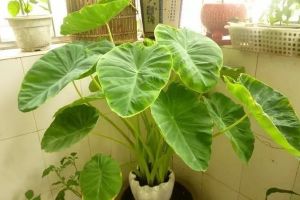
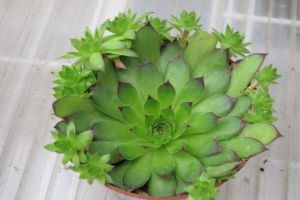
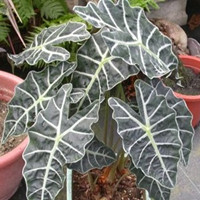
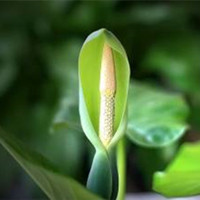
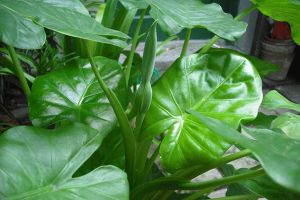
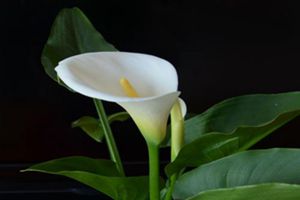
Whether Alocasia is poisonous depends first on which plant it refers to. In gardening, the Alocasia commonly seen falls mainly into two categories: one is the black-leaf Alocasia of the Araceae family, genus Alocasia, and the other is the succulent Alocasia of the Crassulaceae family, genus Sempervivum. The toxicity of the former is fairly well established, while the latter is generally considered non-toxic to humans, so they cannot be lumped together.
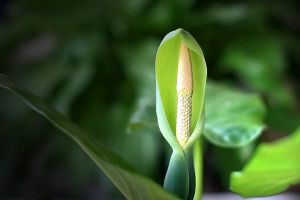
The sap of the Araceae Alocasia contains irritant components such as calcium oxalate needle crystals; skin contact may cause itching, redness and swelling, and accidental ingestion will irritate the mouth and throat, causing swelling and pain, and in severe cases affecting swallowing and breathing. Similar to the Dieffenbachia of the same genus, it is a toxic ornamental plant and requires extra caution during care.
The leaves of the Crassulaceae succulent Alocasia are arranged in a rosette, with a small, compact plant shape and strong ornamental value, and it is generally considered safe to place and touch under normal conditions. However, there are many plants with similar names on the market, so before buying or planting it is best to confirm the exact variety first, to avoid keeping a toxic one at home thinking it is non-toxic.
When caring for toxic Alocasia at home, it should be placed out of reach of children and pets, and gloves should be worn when pruning, repotting or dividing, with hands washed promptly after the work is done. If the skin accidentally comes into contact with the sap, rinse with plenty of clean water; if persistent redness and swelling occur or there is discomfort after accidental ingestion, seek medical attention as soon as possible. As long as precautions are taken, Alocasia remains an indoor green plant with high foliage value.
Related reading