Detailed Guide to Making Osmanthus Bonsai and Key Care Points
Osmanthus bonsai is an ornamental bonsai made from the osmanthus plant of the Oleaceae family, condensing the natural form of the osmanthus into a small pot. Osmanthus stays evergreen through all four seasons with dense branches and leaves, and when it blooms in autumn the fragrance is rich, so osmanthus bonsai combines the dual value of form appreciation and fragrance enjoyment, and is deeply loved by bonsai enthusiasts.
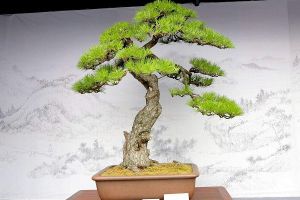
In terms of varieties, common osmanthus groups include Jinguui (golden osmanthus), Yinguui (silver osmanthus), Dangui (orange osmanthus) and Sijigui (four-season osmanthus). Jinguui and Yinguui have elegantly pale flowers with a rich fragrance; Dangui has orange-red flowers with strong ornamental appeal; Sijigui blooms multiple times with a longer flowering period, making it suitable for home care. When making bonsai, plants with thick trunks, short internodes and strong sprouting ability are usually chosen, and shaping methods such as wiring and pruning are used to create slanted-trunk, waterside and cascade styles.
To care for osmanthus bonsai, first ensure sufficient light; it is usually best placed on a ventilated, sunny balcony or in a courtyard, with appropriate shading during intense midsummer sunlight. Water according to the principle of not watering until dry, and watering thoroughly when you do, avoiding water accumulation in the pot that causes root rot; when the weather is dry, spray water on the leaves to increase humidity.
Osmanthus prefers loose, fertile, well-drained slightly acidic soil. During the growing season, apply decomposed diluted liquid fertilizer, and appropriately supplement phosphorus and potassium fertilizer before flowering, which helps flower bud formation. Each spring before budding, prune and shape the plant, cutting off dead branches, crossing branches and overly dense branches to keep the tree form clearly layered; repot every one or two years, while also trimming the root system and replacing the soil.
A good osmanthus bonsai has an elegant tree form and a pleasant floral fragrance; placed in a courtyard or hall, it can both beautify the environment and allow you to enjoy the fragrance and form. In daily care, also watch for common pests such as scale insects and red spider mites, and keep the environment well ventilated so the plant can grow vigorously and release fragrance on time year after year.
Related Reading