Diverse Varieties of Ornamental Bromeliads: Master the Key Care Points and Grow Them with Ease
Ornamental bromeliads are the collective term for ornamental plants in the family Bromeliaceae, not a single kind of flower; any species with striking leaves, showy inflorescences and suitability for pot culture or hanging display can be included. Most of these plants originate in tropical and subtropical regions, their leaves are usually arranged in a rosette, and the bases clasp one another to form a water-holding cup, and together with their long flowering period they have long been popular with home gardeners.
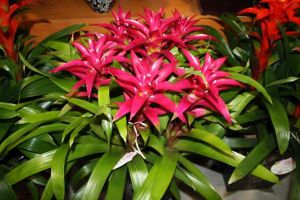
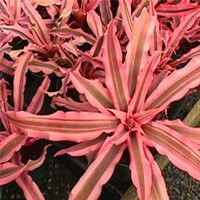
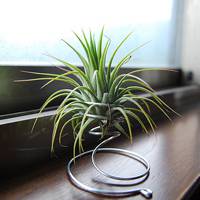
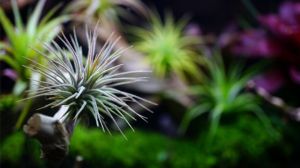
There are quite a few common types of ornamental bromeliads, such as Guzmania, whose inflorescence stands upright like a tower, Vriesea, whose bracts are arranged like a sword, Cryptanthus, whose leaves bear colored stripes, and Tillandsia, which needs no soil and absorbs water through its leaves. Different species differ in plant form and habits; some suit a desk or windowsill, while others suit hanging or combined plantings, so when buying you can decide based on the light and space conditions at home.
As for care, ornamental bromeliads like a warm, humid environment with bright light, and they fear intense direct sun as well as low-temperature damage. When watering, besides soaking the potting soil, you should also add some water to the leaf cup, keeping clean water in it, and change it regularly to prevent it from standing too long and becoming foul. When the air is dry, mist the leaves and the surrounding area to raise humidity; during the growing season, apply dilute fertilizer frequently, and the concentration should not be too high.
In daily management, pay attention to ventilation; when the environment is stuffy and humid or the air does not circulate, pests such as scale insects and red spider mites easily appear, and once found they should be dealt with promptly, because delay may damage the whole plant. Yellowing leaves are also a common problem, mostly related to overwatering, improper light or air that is too dry; once you identify the cause and adjust your care, the plant can generally recover gradually.