Sedum lineare seeds are tiny, so paying attention to the sowing method makes it easier to get seedlings.
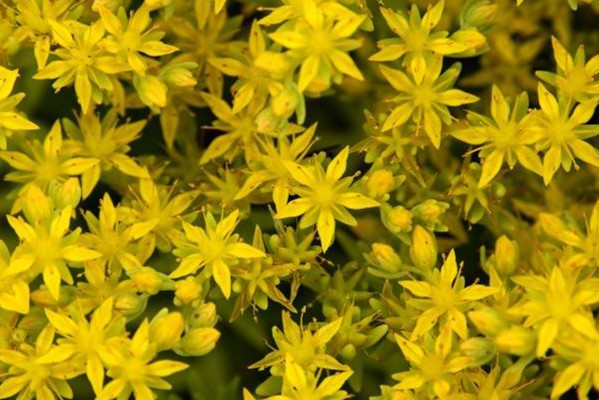
Sedum lineare is a perennial succulent herb in the genus Sedum of the family Crassulaceae. The plant is low-growing, with succulent stems and leaves, and is often used for roof greening, ground cover and potted ornament. Sedum lineare seeds come from the capsules produced after flowering, and the grains are very small. When collecting, wait until the fruit is ripe and harvest promptly to avoid the seeds scattering naturally.
Sedum lineare seeds are light-favoring seeds. When sowing, they are generally not covered with soil, or only a thin layer of fine soil is sprinkled on top. Sowing is mostly arranged in spring or autumn. The seeds can be mixed with fine sand and then evenly scattered on the surface of a loose, well-drained substrate, then watered and kept moist by spraying.
After sowing, place the container in a warm position with scattered light, and keep the substrate slightly moist but not waterlogged. When the environment is suitable, the seeds will germinate one after another. After emergence, gradually increase the light to prevent the seedlings from becoming leggy, and at the same time avoid rain and prolonged waterlogging that cause seedling rot. Wait until the seedlings are somewhat stronger before transplanting and setting them in place.
Sedum lineare is drought-tolerant, tolerant of poor soil, and also fairly tolerant of high temperatures. Once it forms a turf, management is simple, and it is a common choice for roof greening and slope revegetation. It should be noted that seed propagation takes effect relatively slowly; if you want to cover the ground as quickly as possible, you can combine it with cuttings or division. In daily maintenance, control watering and keep ventilation, and the plants will grow more robustly.
Related reading