Bromeliad Family: Rich in Variety, Common Species and Care Essentials Explained
The bromeliad family is a rather distinctive large family among angiosperms, whose members are mostly perennial herbaceous plants, mainly native to the tropical and subtropical regions of the Americas. The leaves of these plants are mostly arranged tightly in a rosette, somewhat hard in texture, with some having serrated edges, and their leaf colors are rich and varied; some species even have markings or fuzz on the leaf surface, giving them strong overall ornamental value.
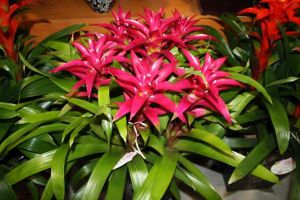
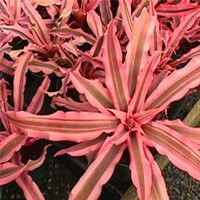
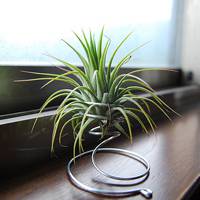
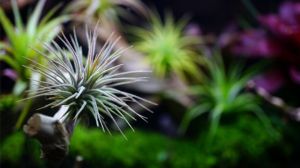
There are many species under the bromeliad family. The pineapple we are familiar with is a typical representative among them, and other common species include air plants (Tillandsia), Cryptanthus, Guzmania, Billbergia, and Vriesea. They can be roughly divided into two types by growth habit: terrestrial and epiphytic. Epiphytic species mostly grow attached to trees or rocks, while air plants (Tillandsia) can even be directly exposed to the air, absorbing water and nutrients through their leaves, with a very peculiar form.
In terms of uses, bromeliads have both edible and ornamental value. Pineapple is a widely popular tropical fruit, while most species are mainly grown for their foliage and flowers, with unique plant shapes and long flowering periods. They are often used for indoor potted plants, courtyard arrangements, and festival decorations, and are common varieties in flower markets.
In terms of daily care, bromeliads generally prefer warm, humid environments with bright light. They are afraid of low temperatures and are not tolerant of waterlogging. When watering, a small amount of water can be kept in the leaf cup, but the water quality should be kept clean and changed in a timely manner, and the growing medium should preferably be loose and breathable. Common problems include yellowing leaves, dry leaf tips, and pests such as scale insects and spider mites. Once discovered, the environment should be improved promptly and targeted treatment should be applied, otherwise the plant is prone to weakening and, in severe cases, may even wither entirely.