Root rot in Alocasia (Alocasia macrorrhizos, commonly known as giant taro) is mostly related to improper watering, and timely treatment can save the plant
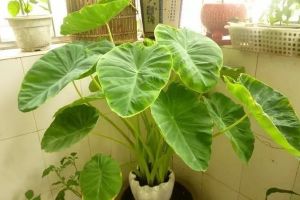
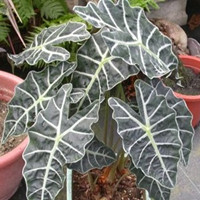
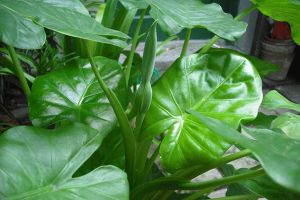
Alocasia macrorrhizos (commonly known as giant taro) is an evergreen herbaceous plant of the genus Alocasia in the family Araceae. Its rhizome is thick and fleshy with a high water content, so it likes moisture but fears waterlogging. So-called root rot mostly refers to the phenomenon in which the potting soil stays wet for a long time and has poor aeration, causing the roots to be deprived of oxygen, turn black, soften and rot. Watering too frequently, heavy clay soil with poor drainage, water standing for long periods in the saucer under the pot, low temperatures with damp conditions, or overly concentrated fertilizer can all trigger root rot. This is especially true in winter, when the plant grows slowly but is still watered frequently, which is when problems most easily arise.
In the early stages of root rot, clues often show up on the leaves: the leaves turn yellow and droop, lose their gloss, new leaves are slow to unfurl, and the leaf tips and margins scorch. If you gently shake the plant by hand, it feels loose; when you take it out of the pot to check, the roots are brown and black, and the cortex rubs off at a touch. In severe cases, the base of the stem becomes soft and gives off an unpleasant odor. For plants grown in water, cloudy water and sticky, black root tips are likewise signs of root rot.
Once root rot is discovered, take the plant out of its pot promptly for treatment: first rinse the soil off the roots, use clean scissors to cut away all the blackened, rotted parts until healthy root tissue is exposed, disinfect the cuts with a fungicide such as carbendazim, leave the plant in a cool, ventilated place to dry, then repot it in fresh, loose, airy soil. For water-grown plants, wash the container, replace the water with clean water and cut off the rotted roots. Note that the sap of Alocasia macrorrhizos is irritating, so it is best to wear gloves when pruning to avoid the sap contacting your skin, nose and mouth.
The key to routine prevention is to control your hand: for soil-grown plants, choose a loose, airy medium, water only when the soil is dry and let it dry out between waterings, and pour off any standing water in the saucer promptly during the rainy season; in cold seasons, water less and keep the plant warm, and in summer avoid stuffy heat and direct blazing sun; fertilize with light, frequent applications rather than strong or raw fertilizer. Pay more attention to changes in leaf color and the wetness of the potting soil, and deal with problems as soon as they appear. Plants with mild root rot can mostly gradually recover their vigor.
Related Reading