When the Chinese evergreen (Alocasia) blooms, it is a sign that the plant is healthy, and there is a trick to caring for it during the flowering period
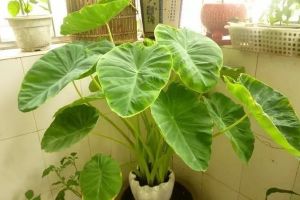
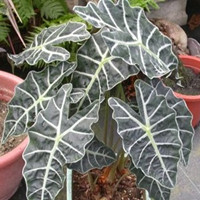
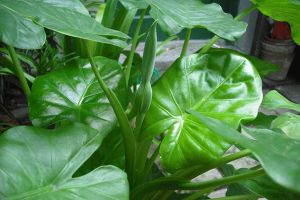
The Chinese evergreen (Alocasia macrorrhizos) is a perennial evergreen herbaceous plant of the genus Alocasia in the family Araceae. It gets its name because its leaves are large and water drips from the leaf tips when air humidity is high, and it is a common foliage plant. Many flower enthusiasts have grown it for years without ever seeing it bloom. In fact, the Chinese evergreen does flower; as long as the plant is mature and the environment is suitable, it will send up a flower stalk from the leaf cluster and produce a typical spathe inflorescence.
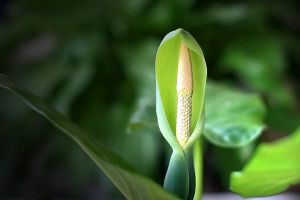
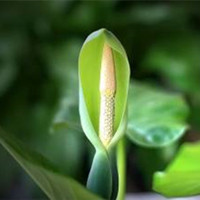
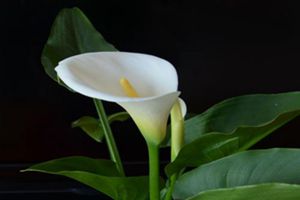
Its flower consists of a spathe shaped like that of a calla lily and an upright spadix in the center. The bract is mostly yellow-green or milky white, and at first glance it is easy to mistake it for another flower. The flowering period is mostly concentrated in the warm season, and plants grown in the ground or in environments with good temperature and humidity are more likely to bloom. Ordinary household potted plants bloom relatively rarely due to limited conditions, which also leads many people to mistakenly believe that it never blooms.
Flowering itself shows that the plant is growing well and has been cared for properly; it is not a bad omen. However, the ornamental value of the flower spike is average, and it consumes a lot of nutrients. If the main purpose is foliage, the faded flowers and flower stalks can be cut off promptly after flowering to reduce nutrient consumption and let the leaves grow more vigorously. After pollination, it sometimes produces berries, which must never be eaten.
It should be noted that the sap of the entire Chinese evergreen plant contains irritating components, and the flowers are no exception. When pruning, it is best to wear gloves to avoid getting the sap on the skin or splashing it into the eyes, and also to prevent children and pets from eating it by mistake. During the flowering period, maintain a warm, humid environment with bright light, and keep the potting soil alternating between dry and moist, and the plant will pass through the flowering period smoothly.
Related Reading