The Giant Taro Has Many Uses: Ornamental, Air-Purifying, and Medicinal, but Handle with Care
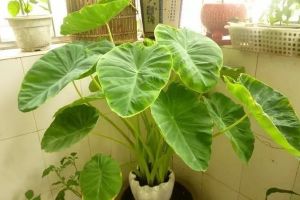
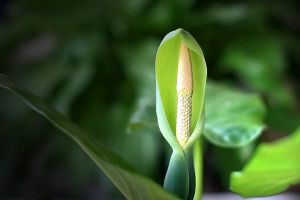
Giant taro (Alocasia macrorrhizos) is an evergreen herbaceous plant in the genus Alocasia of the family Araceae. Its scientific name is Alocasia macrorrhizos, and it is also known as tianhe and xiutiancao. Its name is very evocative: when the air is humid and moisture is abundant, water droplets gather at the leaf tips and drip down, as if Guanyin were sprinkling water. This plant is native to tropical and subtropical regions. In the south it is often planted in courtyards and green belts, while in the north it is mostly grown as an indoor potted plant.
Ornamental value is the main use of giant taro. It has an upright, imposing form, with broad, thick, glossy green leaves that stay evergreen all year round. Placed in a living room, study, or office, it creates a strong tropical atmosphere. At the same time, its broad leaves can absorb dust from the air, which helps improve indoor air quality, and its transpiration can also make the surrounding air a little more humid.
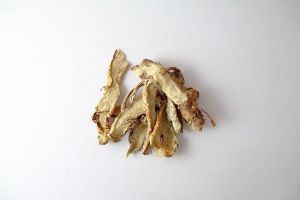
In traditional medicine, the rhizome of giant taro can be used as the medicinal herb haiyu, and there is a folk practice of using it externally to reduce swelling and disperse nodules. But it must be stressed that its sap contains irritating components such as calcium oxalate. Skin contact may cause itching, redness, and swelling, and accidental ingestion can cause numbness and swelling of the mouth and throat, and in severe cases even difficulty breathing. Therefore, it must be professionally processed before medicinal use and used under a doctor's guidance. Never dig it up and try it on your own.
In addition, many plant enthusiasts also value its symbolic meaning. Its broad leaves and the remarkable dripping phenomenon are often seen as symbols of vitality and good fortune, and placing it at home expresses the good wish of attracting wealth and blessings. In terms of care, giant taro likes a warm, humid, semi-shaded environment. In soil culture, keep the potting soil moist but not waterlogged; in water culture, change the water frequently and prevent root rot; in winter, pay attention to keeping it warm. If there are young children or pets at home, be especially careful about where you place it, and it is best to wear gloves when pruning or repotting to avoid direct skin contact with the sap.
Related Reading