An Introduction to the Characteristics and Care Methods of Groundcover Roses
Groundcover roses are an important type within modern roses. The plants are low-growing with branches that spread horizontally, able to grow along the ground and cover the soil surface, so they are often used as groundcover plants in gardens. They were developed from long-term crossbreeding of various roses and combine abundant flowering with strong adaptability.
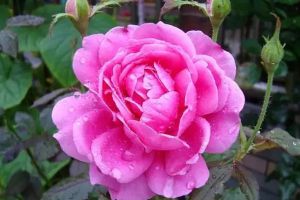
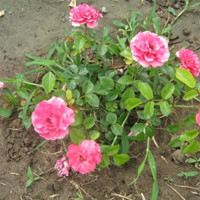
Compared with ordinary shrub roses, groundcover roses have a more prostrate and compact growth habit with dense branching; the branches readily take root when they touch the soil, giving them strong spreading ability. Their flowering period is long, and they can bloom repeatedly during the growing season. The flowers often open in clusters, and the flower colors cover multiple color ranges including pink, red, yellow, and white, giving an overall continuous ornamental effect.
In garden applications, groundcover roses are suitable for slopes, road edges, the edges of flower borders, and large green areas. They can cover bare ground, reduce soil erosion, and can also be used as material for carpet bedding and courtyard landscaping. Because their care is relatively undemanding, they are widely used in urban greening.
For care, groundcover roses prefer an environment with ample light and good ventilation, and are suitable for planting in loose, fertile soil with good drainage. During the growing period, maintain a balanced water supply; after flowering, promptly cut off spent flowers and thin out overly dense branches, which helps promote new branch growth and reblooming. Their resistance is generally strong, but common pests and diseases such as black spot, powdery mildew, aphids, and red spider mites still need to be watched for. Keeping good ventilation and light penetration between plants is an effective way to reduce disease occurrence.
Related Reading