Peat soil retains water and breathes well, and it is clean, making it a great material for mixing potting soil for plants.
Peat soil is a natural organic soil formed from plant residues in swampy wetlands that accumulate over a long period and decompose slowly under oxygen-poor conditions, so it is also called peat. It is mostly brown or dark brown, loose in texture and light in weight, and rich in humus and organic matter, making it a very widely used basic substrate in horticultural cultivation.
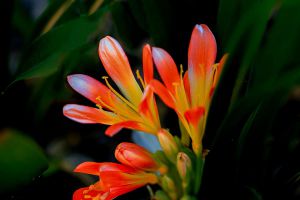
The most prominent advantage of peat soil is its strong water- and fertilizer-holding capacity, while it also has many pores and fairly good air permeability, achieving a balance between water retention and aeration. It is itself acidic, making it suitable for most flowers that prefer acidic or loose soil, such as rhododendrons, gardenias, clivias (Kaffir lilies), and pothos. In addition, peat soil is relatively clean and hygienic, with few pathogens and insect eggs; using it for seedling raising and repotting can, to a certain extent, reduce the trouble of root rot and pest infestation.
According to the formation environment and degree of decomposition, peat soil is roughly divided into three types: high-moor, transitional, and low-moor. High-moor peat is mostly formed from sphagnum mosses, has a low degree of decomposition, is rich in fiber and light in texture, and is often used for seedling raising and soil improvement; low-moor peat is formed from plant residues such as sedges and reeds, is more fully decomposed, and has a higher nutrient content, but its texture tends to be fine. The horticultural peat soil sold on the market is mostly a processed product that has been blended and screened.
When using peat soil, it is generally not recommended to use it alone; it can be mixed with perlite, vermiculite, river sand, or garden soil, which not only enhances aeration and drainage but also prevents later compaction; when growing succulents and other plants that particularly fear waterlogging, the proportion of peat should be further reduced and the amount of granular material increased. Dry peat soil absorbs water slowly, so it can be sprayed with water to moisten it before potting. When selecting, pay attention to the color and fiber structure; products with too much dust and a dark color are often of poor quality, and it is better to sift out impurities before use.
Related Reading