Add this to your potted plants when growing flowers, and they will fill the pot within a month and never rot roots for ten years
When growing flowers, you absolutely must add this to the pot; they will fill the pot within a month and never rot roots for ten years
I believe many friends who like growing green plants at home will have a very sad experience: the plants they keep at home, for no clear reason, get yellow leaves or even die outright. What exactly are the reasons for this? Different situations correspond to different causes, but some methods are mostly applicable. Below I will briefly introduce some operation methods to make common green plants grow better.
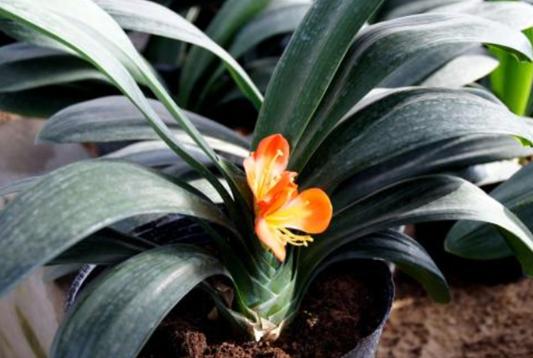
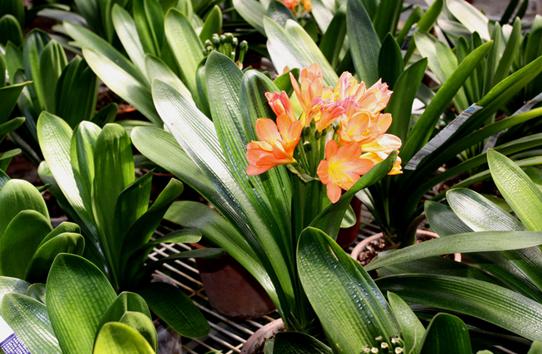
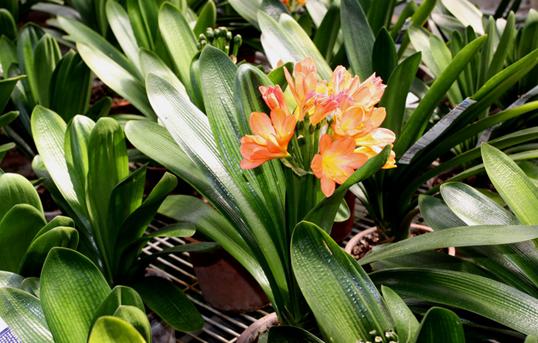
Clivia (Clivia miniata) is very prone to root rot, so we can pick up a few pine cones, then soak them in a carbendazim solution for a while to sterilise and disinfect them first. After drying, just place them directly at the bottom of the Clivia pot, then add soil on top. The main purpose of this is to let the roots of the Clivia breathe in the soil and absorb water well. If you want the leaves of the Clivia to grow better, you can sprinkle in some sunflower seeds and peanuts, because Clivia likes fertiliser. But when adding sunflower seeds, they must be original flavour; do not sprinkle sweet or salty ones, as this will affect the roots' absorption of oil and other nutrients. The operation method is also very simple: just insert a few sunflower seeds into the pot after the soil has been added, then cover with soil, and finally plant the Clivia.
In winter, heating inevitably requires coal, so do not throw away the burned coal cinders either; they are a good thing for making our home's pothos (Epipremnum aureum) grow better. Crush the coal burned at home, then sift it clean, remove the parts that were not fully burned, soak it in water for a period of time to let the sulfur inside escape, dry it in the sun, and then place it directly at the bottom of the pot. In this way, it can provide air permeability and make root rot less likely, and coal also contains rich trace elements that can help supplement nutrients. If you want it to grow faster, you can keep the okara left at the bottom of the soy milk we usually drink, dry it with fire, stir-fry it until cooked, let it cool, and then sprinkle just a little where the pothos is planted. In this way, even this counts as fertilising the pothos, and it can grow very, very fast.
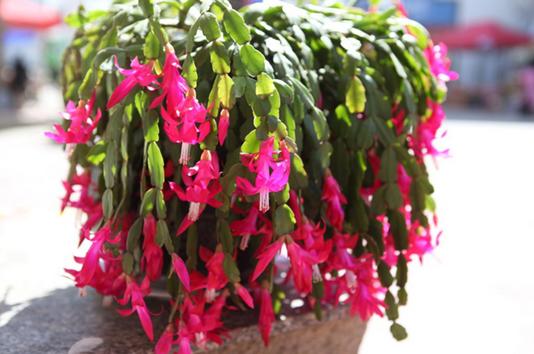
Christmas cactus (Schlumbergera) is truly very, very beautiful when it blooms, but many Christmas cacti die because of root rot. At this time, we can choose to place coarser gravel at the bottom of the pot, then cover it with soil on top, so that excess water can be drained in time and root rot is less likely. If you want the Christmas cactus to grow better, do not throw away the bones of chickens, ducks and other animals after eating; crush them and put them directly into the pot where the Christmas cactus is grown. These bones are rich in phosphorus and calcium, which are essential elements for the growth of the Christmas cactus.
Now succulents have become the new fashionable favourite, but many friends do not grow them well because they are very prone to root rot. Actually, the method is very simple: place ceramsite at the bottom of the pot, which can help water drain away as quickly as possible, and you can also add some slow-release fertiliser inside to help it grow faster. But none of these things should come into direct contact with the plant's roots, otherwise they will burn it to death.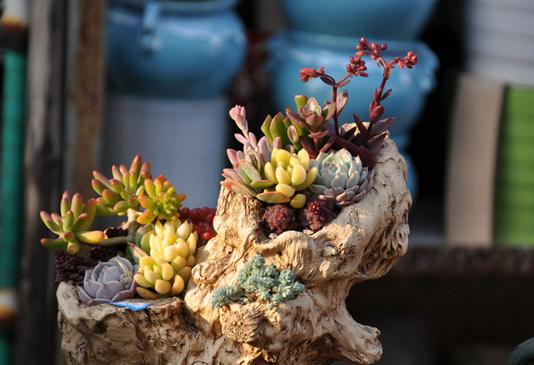
Aren't these methods all very simple? Have you all learned them?