An Introduction to the Characteristics of the Boston Fern and How to Care for It at Home
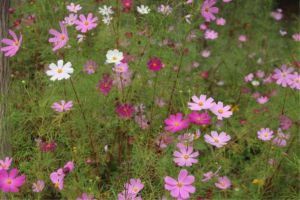
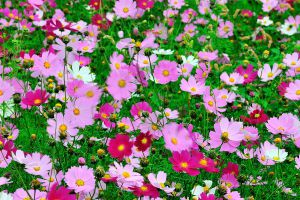
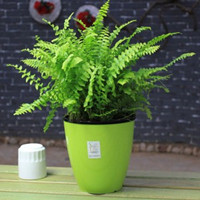
The Boston fern is a perennial evergreen fern of the genus Nephrolepis in the family Nephrolepidaceae (also known as Lomariopsidaceae), a horticultural variety of the sword fern (Nephrolepis exaltata). It gets its name because it was discovered and cultivated relatively early in the Boston area of the United States, and it is also called the Boston fern. Its fronds are deeply pinnately lobed, slender and soft, and the whole plant arches over and droops naturally, giving it an elegant, graceful form; it is one of the most popular indoor foliage plants. It is worth noting that the Boston fern has a name similar to the cosmos (Cosmos bipinnatus), but the two are completely different plants, and ferns do not rely on flowering and fruiting to reproduce.
In terms of growing habits, the Boston fern prefers a warm, humid, semi-shaded environment, dislikes direct strong sunlight, and is not cold-tolerant, so it needs to be kept warm and protected from freezing in winter. It has high requirements for air humidity; when the environment is too dry, the leaf tips tend to turn yellow and dry up, affecting its ornamental effect, so maintaining humidity is a key part of its care.
For home care, it is best placed in a spot with bright, indirect light, avoiding direct sunlight; during the growing season, keep the potting soil moist and frequently spray water on the leaves and the surrounding area to increase humidity. The growing medium is best as a loose, fertile, well-drained, slightly acidic sandy loam, and during the peak growing season, fertilizer can be applied lightly and often, while in winter watering should be reduced and the room temperature controlled.
The Boston fern is mainly grown in pots or hanging baskets for ornamental display, suitable for accenting spaces such as the living room, study, and balcony; its lush green fronds can bring a fresh, natural atmosphere, and it is also considered to be somewhat helpful in absorbing certain harmful substances from the air. Propagation is mainly by division, and small plantlets that sprout on the creeping stems can also be cut off and planted separately; with proper care, new plants can be grown.