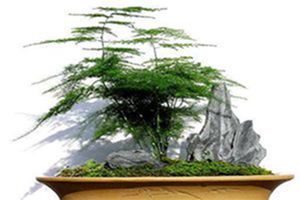
Introduction to Types, Causes and Common Control Methods of Plant Diseases
Disease is a common problem in agricultural production. It refers to plants being adversely affected by biological or non-biological factors during growth and development, so that their normal physiological functions are disrupted and they show abnormal symptoms such as discoloration, necrosis, rot, wilting and deformity. Whether field crops, vegetables, fruit trees, or ornamental flowers such as asparagus fern and azalea, all may be troubled by diseases.
By cause, diseases can be broadly divided into two major categories: infectious diseases and non-infectious diseases. Infectious diseases are caused by pathogenic organisms such as fungi, bacteria, viruses and nematodes, and can spread from plant to plant. Common examples include powdery mildew, downy mildew, leaf spot and root rot. Non-infectious diseases, also called physiological diseases, are mostly caused by environmental factors such as water imbalance, unsuitable temperature, insufficient light or nutrient imbalance, and generally do not spread.
Disease control emphasizes prevention first and integrated management. At ordinary times, choose varieties with relatively good disease resistance, carry out reasonable crop rotation, keep the garden clean, and strengthen water and fertilizer management so that plants grow vigorously and their own resistance is naturally stronger. Once disease occurs, first distinguish whether it is an infectious or a physiological disease, then take targeted measures, and when necessary choose the corresponding pesticide and operate in accordance with the instructions.
In practice, many growers easily mistake yellow leaves caused by nutrient deficiency for a disease and spray pesticide, thus missing the best time for treatment. Therefore, when a plant looks abnormal, observe carefully the site where symptoms occur and how fast they spread, and make a comprehensive judgment in light of recent weather and cultivation management, so as to identify the real cause. Common diseases of different crops each have their own characteristics and can be further understood in connection with the specific variety.
Related Reading