Debbie succulent care is simple: with plenty of light, the leaves turn even more pink-purple
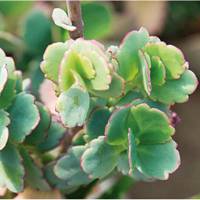
Debbie is a succulent bred by crossing the Crassulaceae genera Graptopetalum and Echeveria. Its leaves are thick and plump, arranged in a standard rosette. Its leaf color changes with light and temperature differences, and when it reaches its prime it turns pink-purple or even a deeper purplish red, making it highly ornamental. Combined with its compact shape and toughness and ease of care, Debbie has always been a very popular variety among succulent enthusiasts.
The most important thing in caring for Debbie is to ensure plenty of light. During the spring and autumn growing seasons it can be placed on a south-facing balcony or windowsill. The more light it gets, the more compact the plant shape and the more vivid the color. Follow the principle of watering thoroughly only after the soil has dried out, and avoid the potting soil staying wet for long periods, otherwise it will easily become leggy or even suffer root rot. For the soil mix, it is recommended to use granular soil mixed with an appropriate amount of peat; good air permeability and drainage are what allow the roots to grow strong.
In the high temperatures of summer, Debbie enters a dormant or semi-dormant state, so it needs appropriate shading, enhanced ventilation and reduced watering to help it get through the summer safely. When winter temperatures are low, move it promptly to a bright spot indoors, keep the potting soil on the dry side, and avoid frost damage caused by prolonged low temperatures.
Debbie is mainly propagated by leaf cuttings and beheading. Select healthy, plump leaves and lay them flat on slightly moist soil; after some time they will grow small buds and new roots. In daily care, pay attention to keeping the environment ventilated and watch for common pests such as mealybugs; deal with them promptly once found, and the plant will grow more and more beautiful.
Related Reading