What is the flower language of the red spider lily? An introduction to its meanings and symbolism
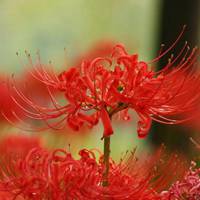
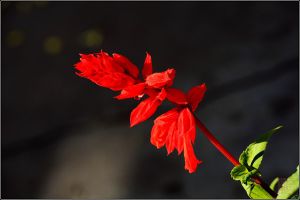
The red spider lily is the common name for a bulbous flower of the genus Lycoris in the amaryllis family; its formal name is Lycoris radiata. It often sends up a flower stalk in summer and autumn, bearing bright red umbel-shaped blooms with wrinkled, reflexed petal edges and a very distinctive form. Its most unusual trait is that no leaves are visible when it blooms, and no flowers are seen when it grows leaves; the flowers and leaves appear alternately and never meet.
Because of this characteristic of flowers and leaves never meeting, the flower language of the red spider lily is mostly associated with longing and parting, and is often interpreted as endless yearning and sorrowful memories, carrying a sense of being separated by life and death and finding it hard to reunite. The red variety leans toward expressing parting and caring, while the white variety is more often given the meaning of purity and remembrance; the emotions conveyed differ slightly by color.
In folk legends, the red spider lily is often depicted as a flower blooming along the road to the underworld, used to express remembrance of the departed. Although these stories vary in version, most revolve around the themes of longing and reunion, making the cultural image of the red spider lily especially vivid. Today some people also give it as a flower to express commemoration and caring.
The red spider lily is highly adaptable and prefers semi-shaded, moist, loose soil with good drainage. It is not difficult to care for day to day, and generally enters dormancy or a leaf-growing stage after blooming in autumn. Note that its bulbs contain toxic compounds, so it is for viewing only and must never be eaten; when grown at home it should be placed out of reach of children and pets.
Related Reading