Where does vetiver essential oil come from? A detailed guide to its aromatherapy applications
Where does vetiver essential oil come from? It is mainly cultivated in tropical regions, such as India, Tahiti, Java and Haiti. In Calcutta (a port city in northeastern India) and Haiti.
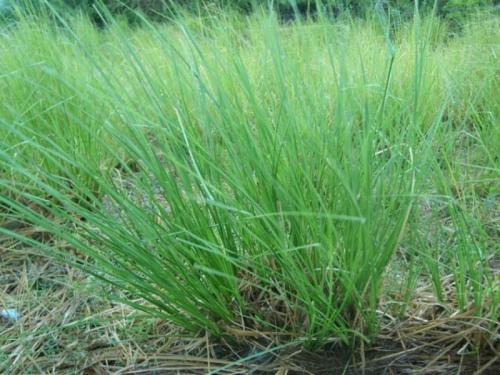
Vetiver is a perennial herbaceous plant of tropical and subtropical regions. The plant grows upright, and its leaves have no fragrance. The fragrant roots are distilled to obtain a brown, viscous essential oil. However, obtaining the essential oil is quite laborious, because vetiver must be grown for more than 2 years, and digging, washing and drying the roots are time-consuming and labor-intensive. The older the roots, the more essential oil can be extracted and the better the quality.
In India, vetiver essential oil is called [the oil of tranquility], fully reflecting its effect on the mind; it is also the crown chakra in India's seven-chakra wellness system. In the five elements, it is the most typical "earth" essential oil, giving people a sense of stability and groundedness; it is the most suitable soothing oil during major life blows (such as divorce, separation, bereavement, bankruptcy, etc.) or periods of low ebb.
Vetiver essential oil aromatherapy
Aromatherapy is the use of essential oils distilled and extracted from aromatic plants to achieve integrated physical, mental and spiritual benefits; it is a complementary therapy. Essential oils contain chemical components such as ketones and esters, which determine their therapeutic properties. They can be used through direct inhalation, bathing, massage and other methods to improve anxiety, pain, fatigue and wound healing, among other conditions. Essential oils, like drugs, mainly affect the limbic system of the brain through inhalation and enter the body through skin penetration, and may also cause skin allergies, so use under the guidance of a professional therapist is recommended. Many studies provide evidence for the therapeutic effects of essential oils; however, in addition to methodological controversies, there are still controversies regarding safety and efficacy, such as interactions between essential oils and drugs, side effects and contraindications, which remain to be explored and confirmed by research in order to provide a scientific basis for the use of essential oils and to increase the possibility of correctly using aromatherapy in health care.