Where does spikenard essential oil come from? The difference between spikenard and Nardostachys chinensis
Where does spikenard essential oil come from: it is distributed in Sichuan, Yunnan, Tibet, and other places.
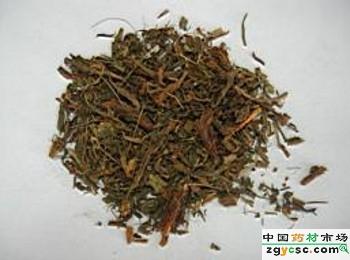
The difference between spikenard and Nardostachys chinensis
Nardostachys chinensis (Nardostachys chinensis): this product is slightly conical in shape, mostly curved, 5-18 cm long. The rhizome is short and small, with stem and leaf remnants at the upper end, appearing as narrow membranous flakes or fibers. The outer layer is blackish brown, and the inner layer is brown or yellow. The roots are single or several intertwined, branched, or parallel, 0.3-1 cm in diameter. The surface is brownish, wrinkled, with fine roots and fibrous roots. The texture is loose and brittle, breaking easily; the broken surface is rough, the bark is dark brown and often splits into flakes, and the xylem is yellowish white. The odor is distinctive, the taste is bitter and pungent, with a cooling sensation.
Spikenard: spikenard mainly grows in high mountain cliff areas at an altitude of 3600-4800 meters, on rocky and grass-covered steep slopes with a 45-25 degree incline. It is a perennial wild herbaceous plant, about 20-60 cm tall. The stem of spikenard is extremely shortened, with indistinct internodes, and its leaves appear as if growing directly from the root, relatively few and sparsely arranged, usually 6-9 per clump. The cyme is in a compact rounded head, blooming bell-shaped rose-red flowers from June to July each year, and producing obovate achenes from August to October. Mature plants can generally be harvested after 2-3 years; the light brownish-yellow roots are thick and have a strong and lasting aroma. According to the New Testament, the Virgin Mary anointed Jesus with spikenard, and it is said that the fragrance filled the whole house at that time.