Historical Records of Tarragon Essential Oil and How to Use Tarragon Leaf Seasoning
There is a myth that the Latin genus name of tarragon comes from a goddess in charge of hunting and childbirth. This goddess was named Artemisia, and the genus name of tarragon is exactly the same as her name. It is an extremely popular salt-free diet meal. Tarragon is rich in vitamin A and C. In the past, it was used to treat scurvy, its roots could be put to use for toothache, and it was also once used to eliminate cancer cells. It also occupies a place in French perfumes.
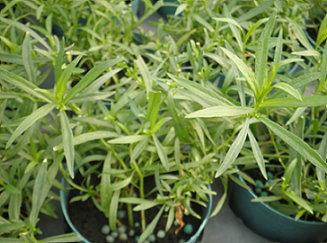
How to use tarragon leaf seasoning:
The flavor of tarragon is similar to star anise, a seasoning commonly used in Chinese cuisine. It is rich but not pungent, belonging to the mild and elegant category. Its flavor is somewhat like fennel, a little spicy, and half sweet and half bitter. Tarragon leaves are suitable for adding flavor to vinegar, pickles, appetizers, mustard, and sauces. They are also often used in tomato and egg dishes. If used for seasoning fish or meat dishes, soups, stews, and so on,